
Eight Years of Samsung Foldables: How Continuous Refinement Is Shaping the Future of Smartphones
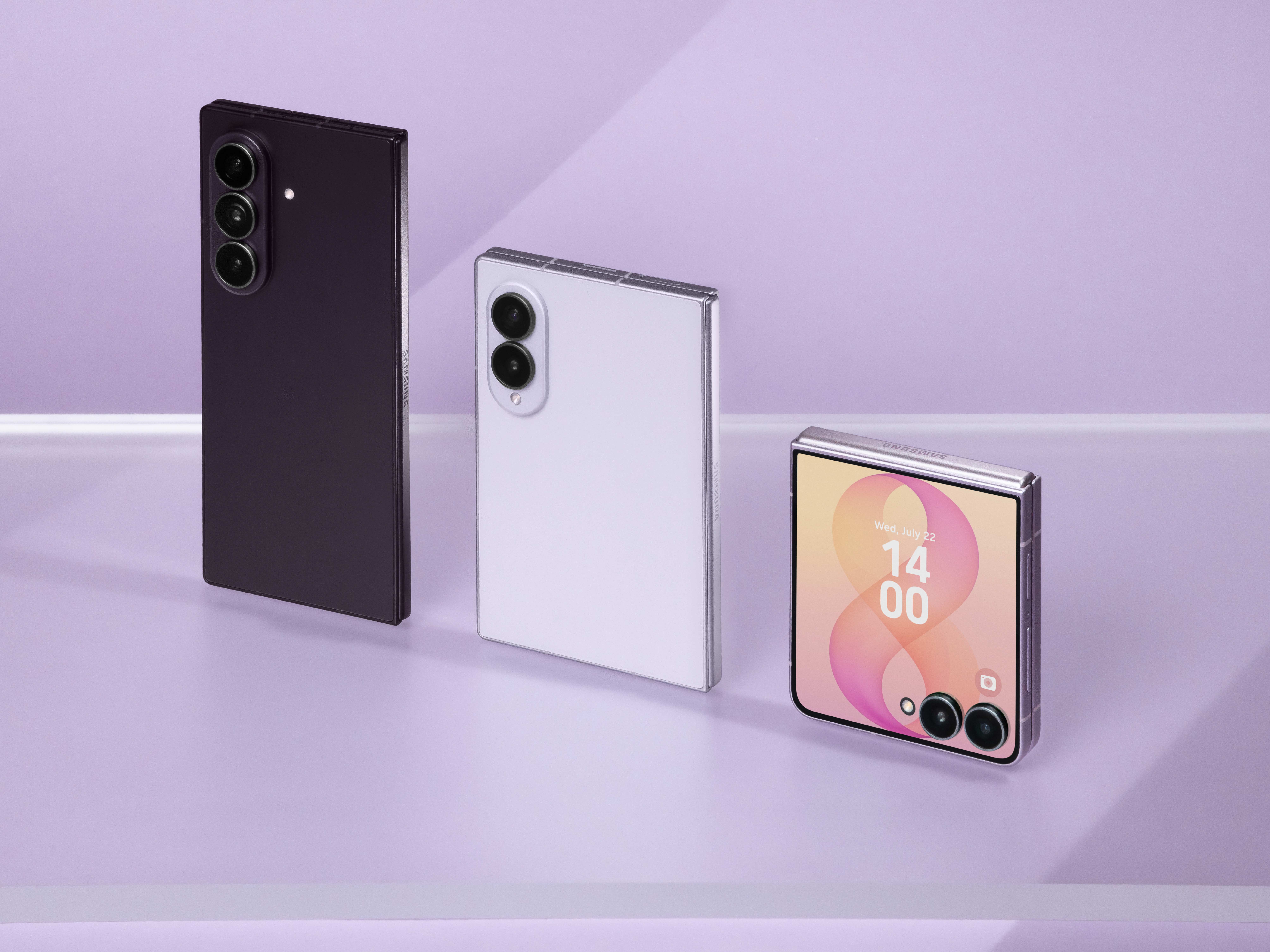
Samsung has spent eight generations developing and refining its foldable smartphone lineup, transforming the category from an emerging form factor into a more versatile option for everyday users. With the latest Galaxy Z Fold8, Galaxy Z Fold8 Ultra and Galaxy Z Flip8, the company continues to focus on portability, productivity, durability and content creation.
Rather than focusing solely on larger displays or thinner designs, Samsung’s latest foldables highlight how improvements in engineering, software and user experience can make foldable smartphones more practical in everyday life.
Refining the Foldable Experience Through Different Form Factors
The appeal of a foldable smartphone extends beyond its display size or the visibility of its crease. What matters is how naturally the device fits into everyday activities, whether it is being used in a folded or unfolded configuration.
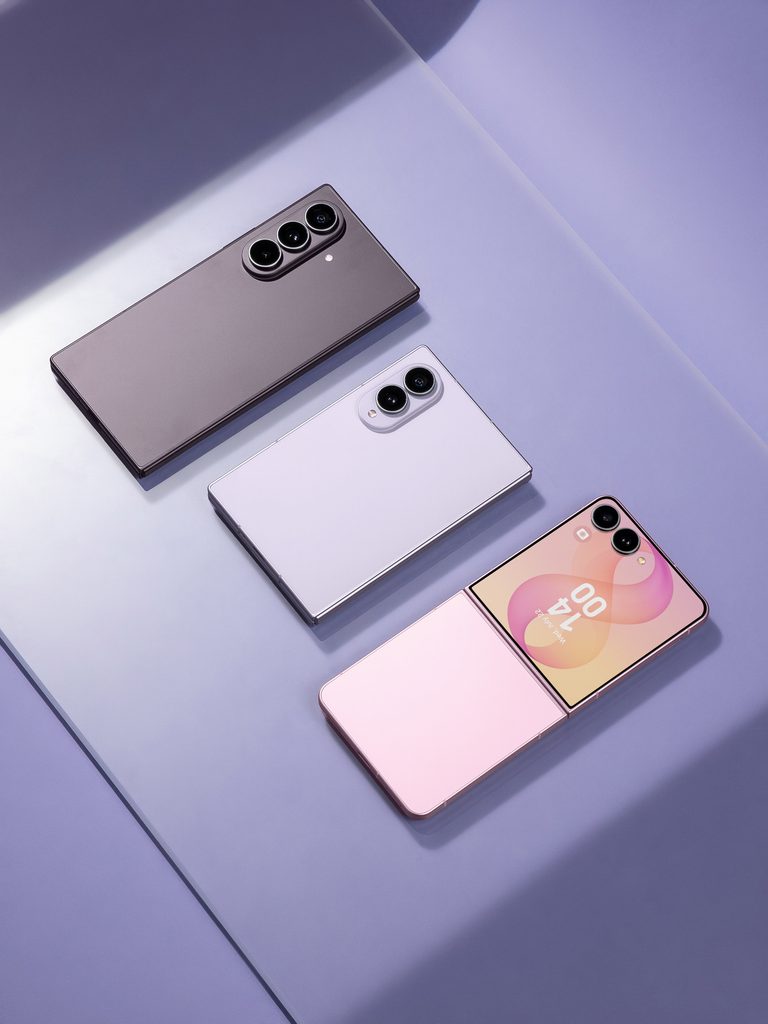
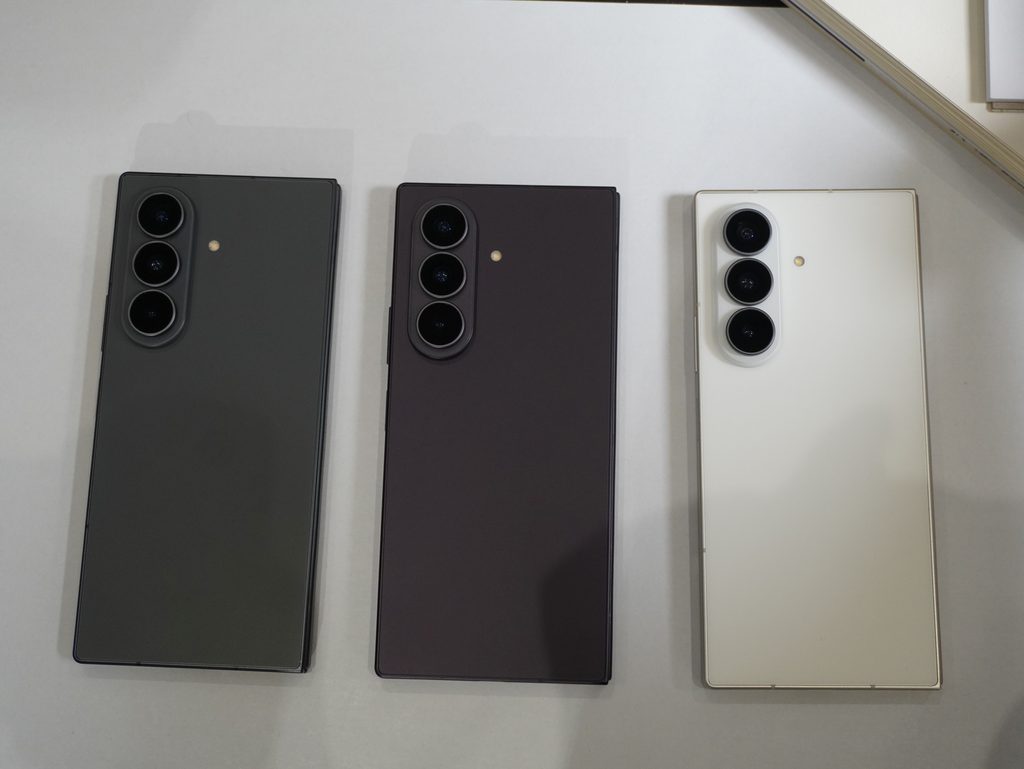
Samsung has developed its Galaxy Z lineup around different user preferences. The Galaxy Z Fold8 focuses on delivering a lightweight, immersive experience, while the Galaxy Z Fold8 Ultra takes large-screen capabilities and slimness further. Meanwhile, the Galaxy Z Flip8 caters to users who prefer a compact design with quick interactions and personal expression.
This approach gives consumers more flexibility when choosing a foldable smartphone. Instead of relying on a single design to meet every requirement, Samsung’s portfolio offers different experiences based on portability, productivity and convenience.
Engineering Innovation Behind a Thinner Foldable
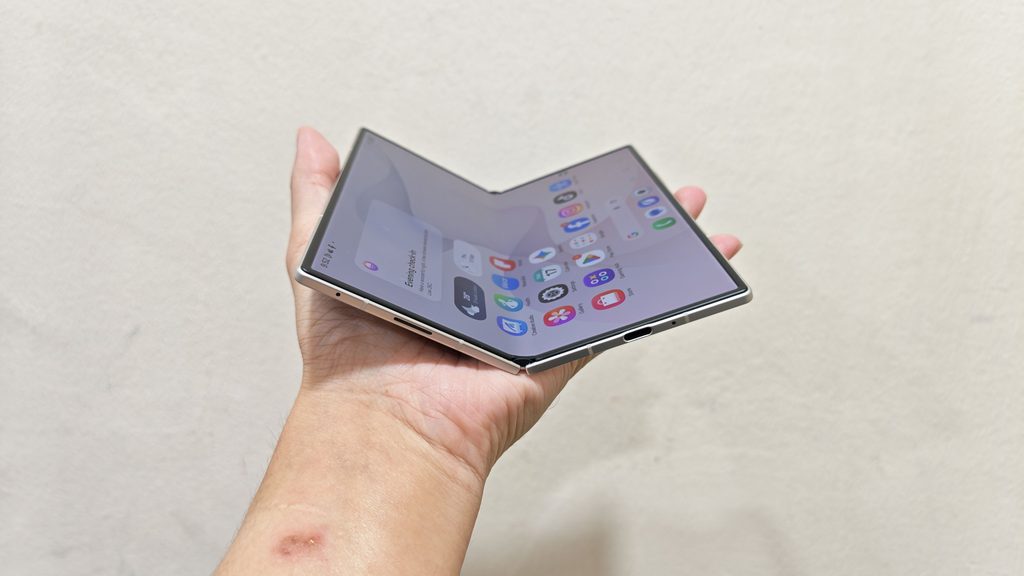
Developing a thinner foldable smartphone requires more than simply reducing the size of individual components. It involves refining the materials, display construction and internal architecture so they work together without compromising the overall device experience.
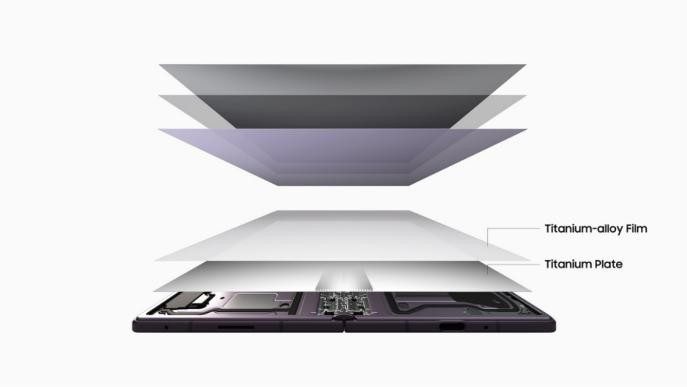
The Galaxy Z Fold8 and Fold8 Ultra introduce Flex Titanium, a titanium-based display structure that combines a titanium-alloy film with an enhanced titanium plate. This construction is designed to support a slimmer display structure while contributing to durability and reducing crease visibility.
These improvements demonstrate how advancements in material engineering can translate into changes that users can both see and feel. A thinner profile can make the device more comfortable to carry, while refinements to the display structure contribute to the overall foldable experience.

Samsung also highlights its focus on reliability through more than 100 validation tests conducted on the Galaxy Z series. These assessments reflect an approach that considers the complete device rather than concentrating on individual components in isolation.
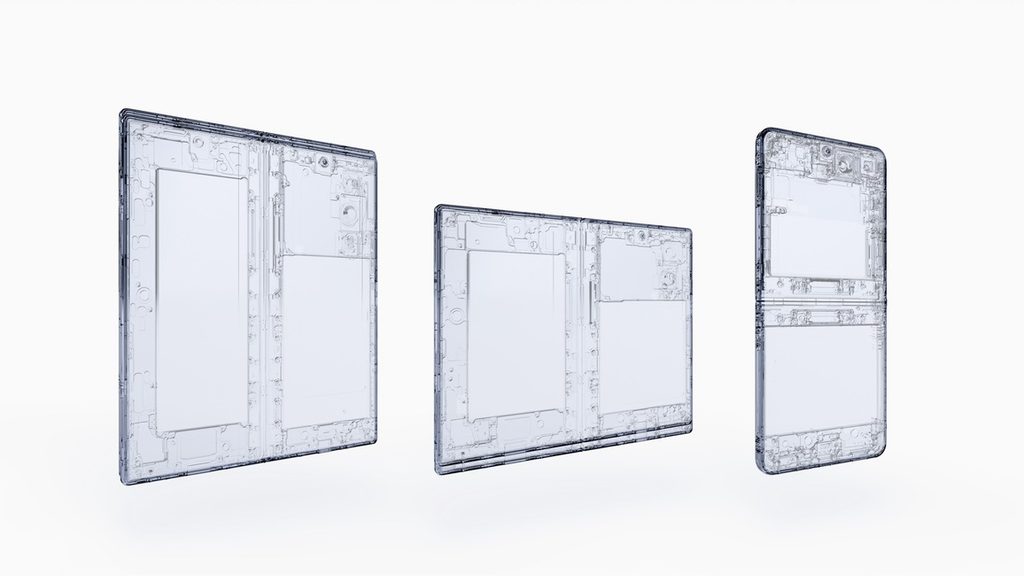
After years of developing foldable smartphones and learning from real-world usage, Samsung continues to work on balancing thinness, durability and long-term user confidence.
Flagship Performance for Multitasking, Gaming and AI

Foldable smartphones are increasingly expected to provide the same level of performance users associate with flagship smartphones. The Galaxy Z Fold8 and Fold8 Ultra are powered by the Snapdragon® 8 Elite Gen 5 Mobile Platform for Galaxy, supporting a range of activities including multitasking, gaming and AI-powered experiences.
With foldable devices designed for users who frequently switch between applications and tasks, performance plays an important role in ensuring a smooth and responsive experience. The combination of flagship hardware and a larger display allows users to approach productivity and entertainment in a more flexible way.
Making the Large Display More Useful
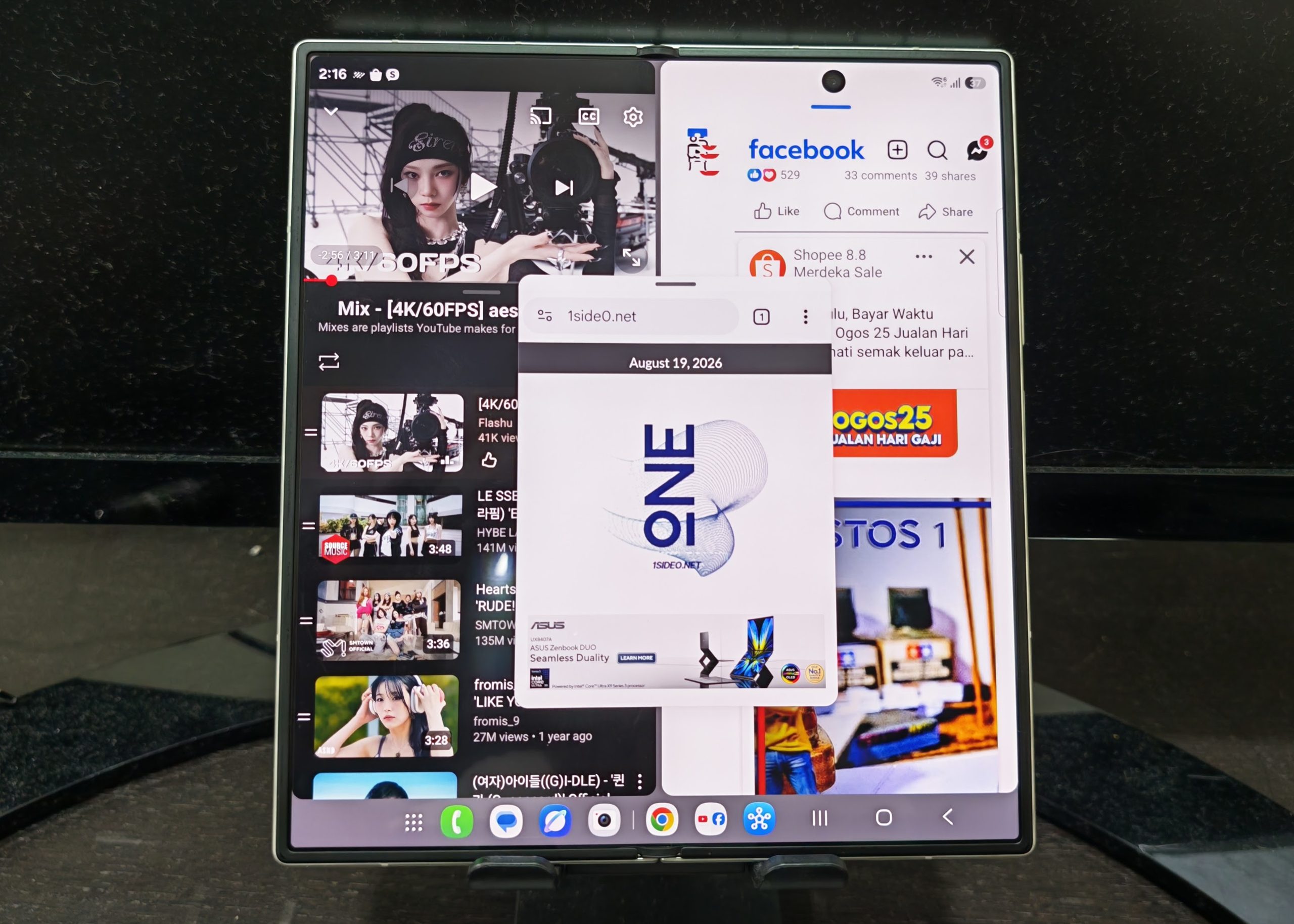
A larger foldable display should offer more than additional screen space. Its real value comes from how effectively software takes advantage of that extra room, allowing users to complete tasks more efficiently.
Samsung’s Multi Window feature supports up to three applications simultaneously on the Galaxy Z Fold8 and Fold8 Ultra. This makes it possible to view information, compare content and work across different applications without repeatedly switching between them.
For users who rely on their smartphones for research, organization and content creation, Samsung’s Gemini Notebook brings notes, images, recordings, files and documents together in a single workspace. This provides a more integrated way to manage different types of information on the larger display.
The foldable experience also extends to image editing. With Photo Assist, users can view the original and edited versions of an image side by side on the unfolded screen, making it easier to review changes and refine their results.
These features reflect Samsung’s continued efforts to optimize One UI for foldable devices. The goal is to ensure that unfolding the smartphone provides meaningful functionality rather than simply expanding the screen.
Balancing Battery Capacity and Charging

As foldable smartphones become thinner and lighter, battery life and charging remain important considerations for users who expect flagship-level performance throughout the day.
The Galaxy Z Fold8 features a 4,800mAh battery and Samsung’s first silicon-carbon anode, while the Galaxy Z Fold8 Ultra increases the battery capacity to 5,000mAh. Both models support 45W wired charging, along with an independent charging architecture and Qi2 Ready support when used with compatible magnetic accessories.
These specifications highlight Samsung’s approach to balancing battery capacity, charging capabilities and portability. Instead of optimizing a single feature, the company is working to deliver a combination that supports the demands of everyday smartphone use while maintaining a slimmer foldable design.
For users who rely on their smartphones for multitasking, media consumption, photography and productivity, the relationship between battery endurance and device portability remains an important part of the overall experience.
Eight Generations of Development and a More Diverse Portfolio
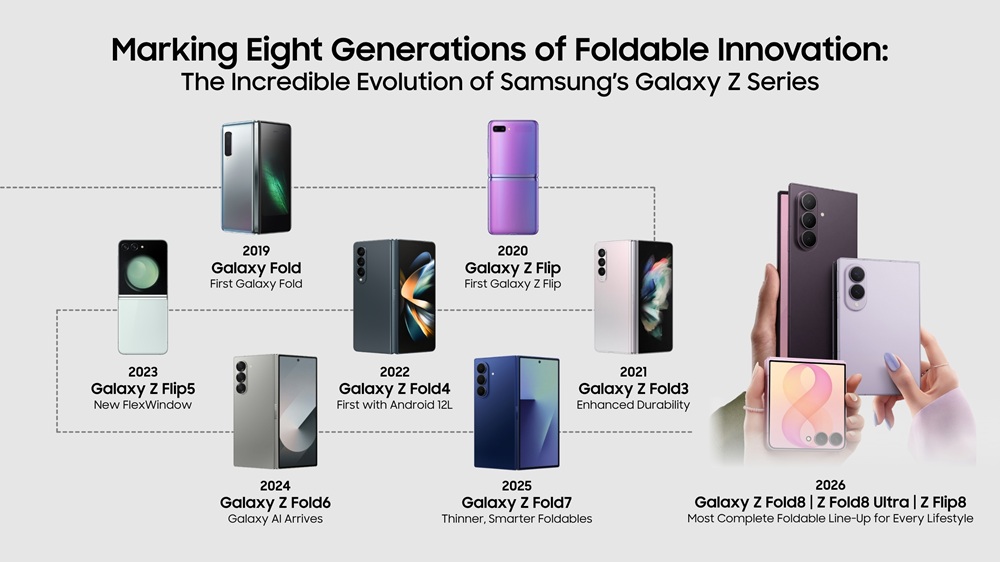
As the foldable smartphone category continues to develop, user preferences are becoming increasingly diverse. Some users prioritize a lightweight design, while others want a larger display for productivity, immersive viewing or content creation. Compact convenience and self-expression are also important factors for those considering a flip-style foldable.
Samsung’s latest Galaxy Z portfolio reflects these different priorities through the Galaxy Z Fold8, Galaxy Z Fold8 Ultra and Galaxy Z Flip8. Each form factor is designed to offer a distinct experience, giving consumers more options rather than attempting to meet every requirement with a single design.
Behind these products are eight generations of foldable smartphone development and insights gathered from millions of real-world users. This accumulated experience continues to influence Samsung’s approach to hardware engineering, software optimization and device reliability.
The evolution of the Galaxy Z series demonstrates that foldable development involves more than introducing new specifications each year. It also involves understanding how people use their devices and translating those insights into practical improvements.
The Continuing Evolution of Samsung Foldables
Samsung’s approach to foldable smartphones is centered on ongoing refinement across multiple areas, including design, durability, performance, software and content creation.
The Galaxy Z Fold8 and Fold8 Ultra showcase how improvements in materials and device architecture can contribute to slimmer designs, while features such as Multi Window, Gemini Notebook and Photo Assist demonstrate the role of software in making a larger display more useful. With different form factors available across the Galaxy Z portfolio, consumers can explore foldable experiences that align with their individual needs and preferences.
After eight generations, Samsung’s foldable journey continues to focus on turning user feedback and engineering development into increasingly refined smartphone experiences. The latest Galaxy Z lineup represents another step in that ongoing evolution, bringing together portability, productivity and versatility in a range of foldable designs.