Nothing Phone (4b) Full Review – Right Pricing, Right Moment
Nothing has always approached smartphone design differently from many of its competitors. Rather than simply competing on specifications, the company has focused heavily on creating products with a recognisable visual identity and a clean software experience. The new Nothing Phone (4b) brings that philosophy to a more affordable segment, giving users a combination of distinctive design, a large AMOLED display, capable everyday performance and long battery life.
The Phone (4b) is positioned as a more accessible member of Nothing’s smartphone family, and this closes the gap between its own CMF sub-brand too. It features a 6.77-inch 120Hz AMOLED display, Qualcomm Snapdragon 6 Gen 4 processor, a 50MP main camera with optical image stabilisation, and a 5,200mAh battery.
In Malaysia, the phone is priced from RM1,599 for the 8GB RAM and 128GB storage configuration. On paper, it sits in an extremely competitive part of the smartphone market, where users can choose from numerous devices offering increasingly impressive specifications, at the same time, a combined specs that address the rise up pricing on memory and storage.
However, specifications are only part of the story. After spending some time with the Nothing Phone (4b), it becomes clear that Nothing is relying on the combination of design, software and everyday usability to distinguish the phone from the competition.
Unboxing
Design & Build
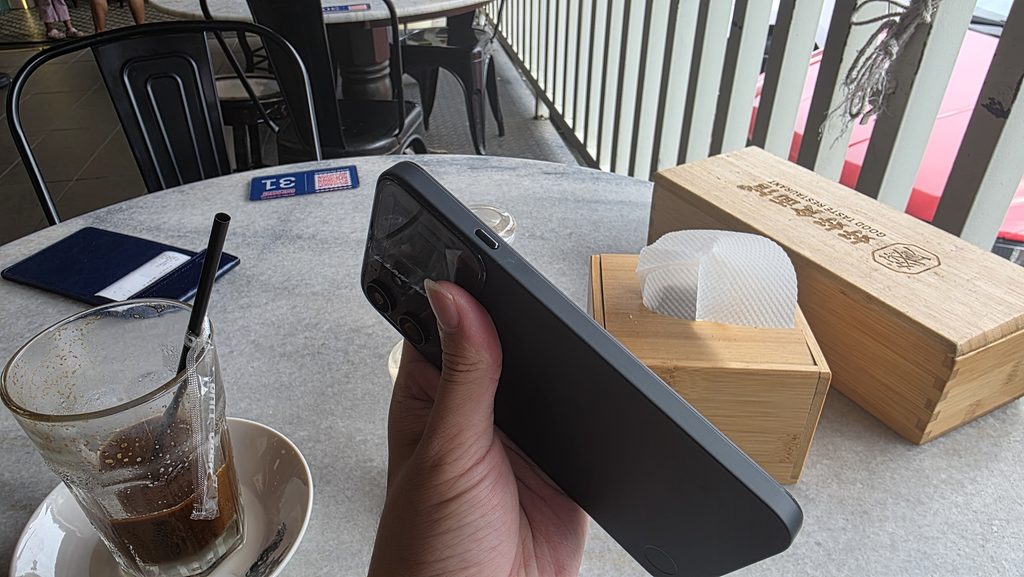
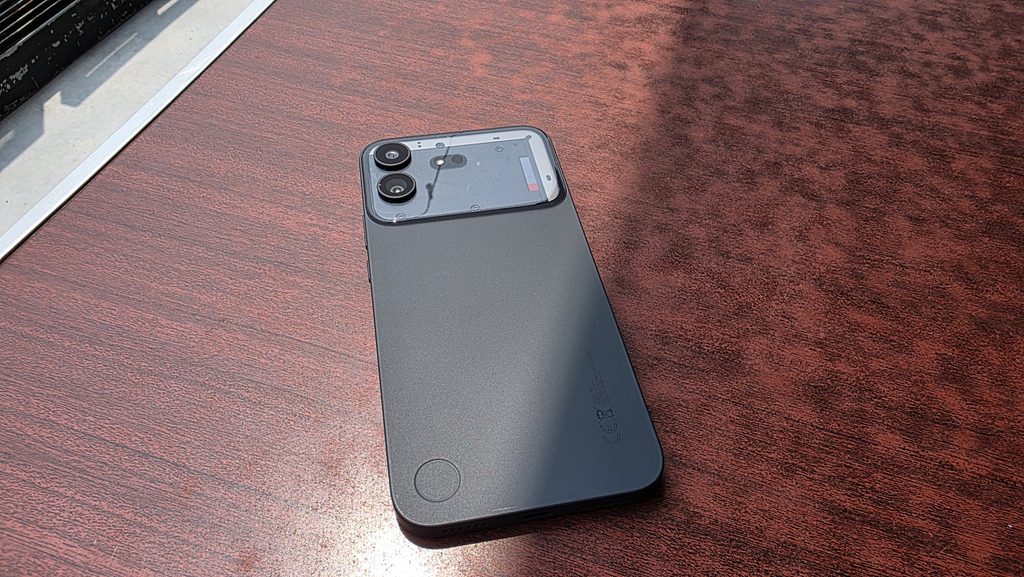
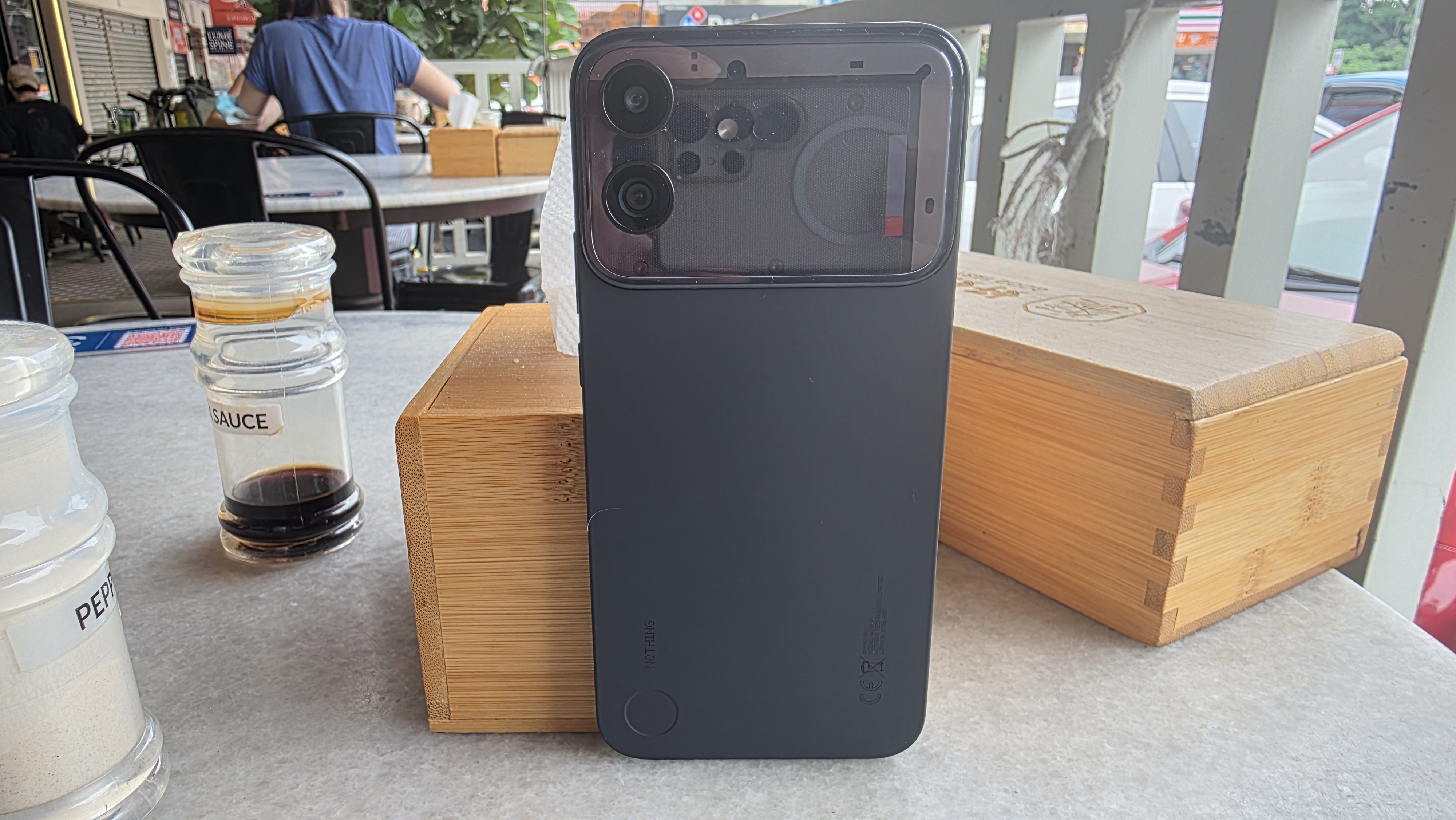
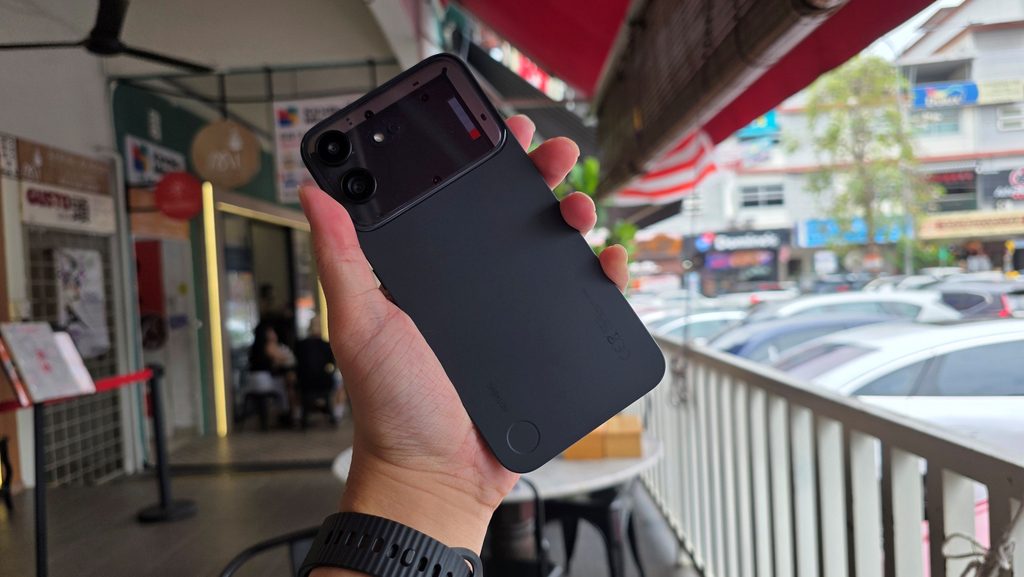
Nothing continues to use its distinctive design language, although the Phone (4b) takes a somewhat simpler approach compared with some of the company’s more premium models. The rear retains the transparent-inspired aesthetic associated with Nothing, while the Glyph Bar provides a subtle visual signature.
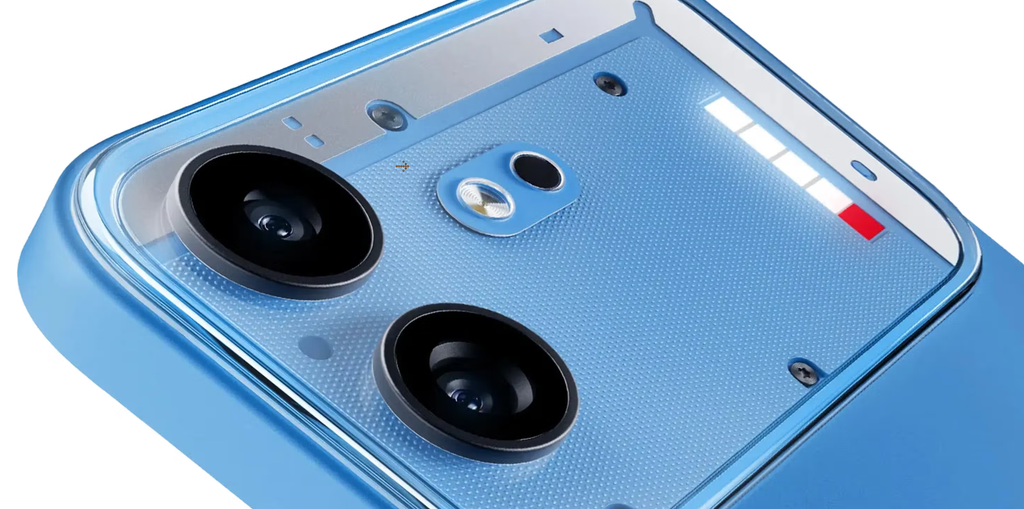
Unlike some previous Nothing devices where the rear lighting system was a major part of the experience, the Glyph Bar on the Phone (4b) is more restrained. It is primarily designed to provide visual notifications and status information without becoming overly distracting.
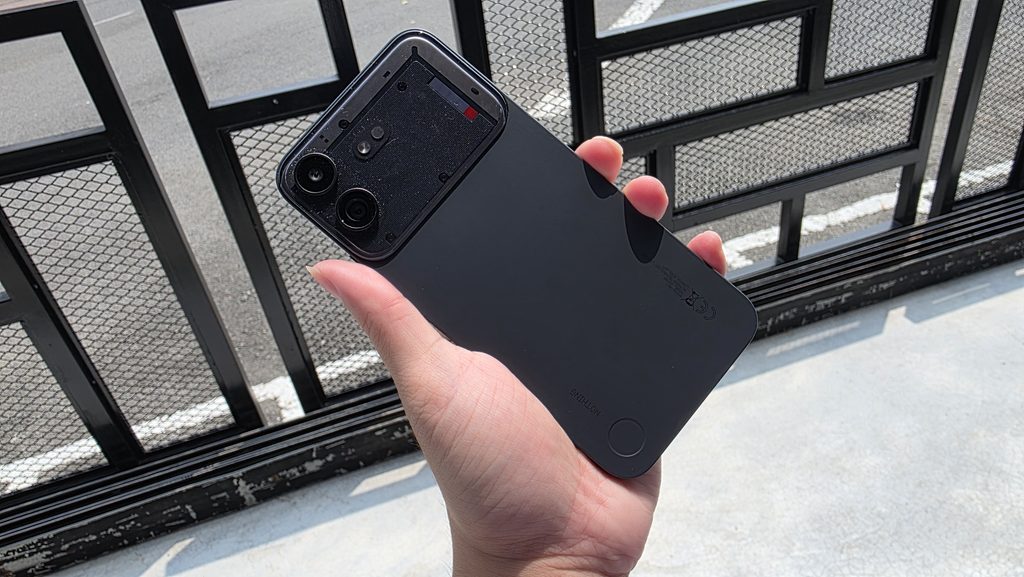
The phone measures approximately 164.4 x 78.2 x 8.6mm and weighs around 210g. Its relatively large dimensions are understandable considering the 6.77-inch screen and 5,200mAh battery, although users who prefer compact smartphones may find it somewhat large.
The wider body is better suited to two-handed use, especially when typing or watching videos. At the same time, the overall construction feels solid enough for everyday use. The phone also carries an IP64 rating, providing protection against dust and water splashes. While this is useful for dealing with everyday accidents, however the rating does not offer the same level of water protection found on some competing smartphones.
Overall, the Phone (4b)’s design remains one of its strongest selling points. It does not look like another generic mid-range Android smartphone, and that is precisely what Nothing is trying to achieve.
Display & Audio
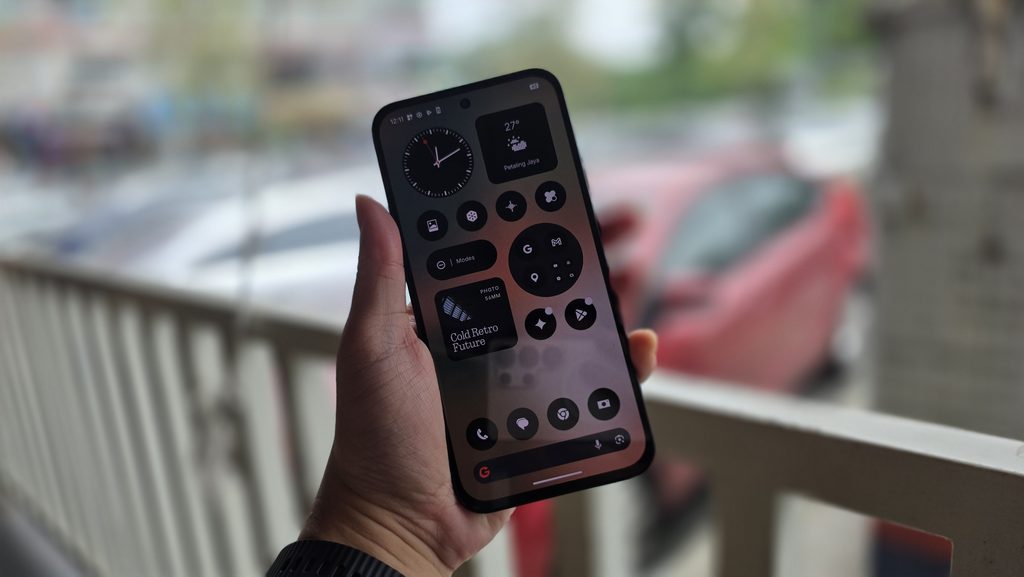
One of the highlights of the Phone (4b) is its large 6.77-inch AMOLED display that features a 1080 x 2344 resolution and a refresh rate of up to 120Hz. This combination makes the screen particularly enjoyable for everyday activities such as browsing social media, watching videos, reading websites and playing games.
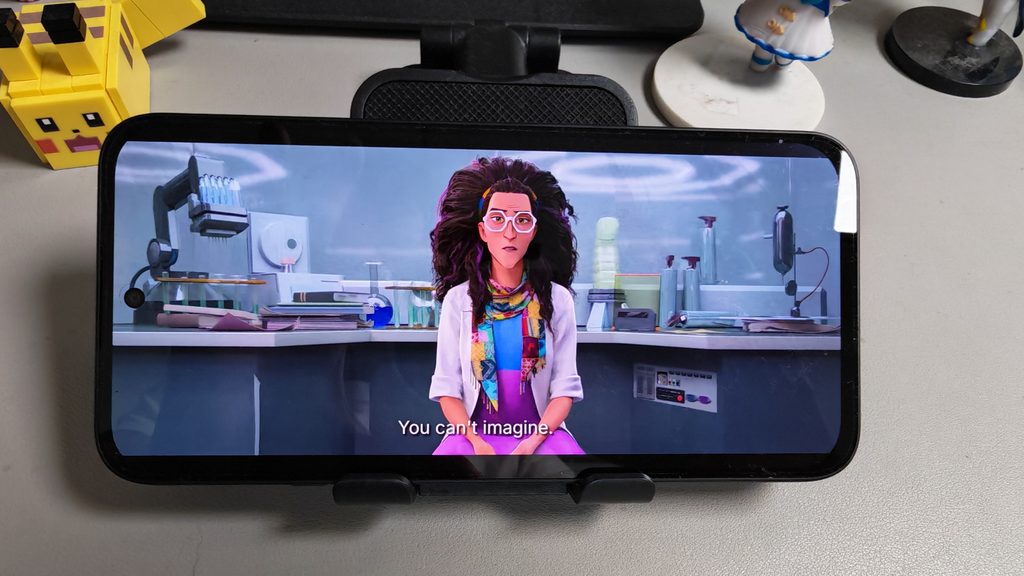
The AMOLED technology provides deep blacks and strong contrast, while colours appear vibrant without making the display feel excessively saturated. The 120Hz refresh rate is another welcome feature, making scrolling through menus and webpages feel noticeably smoother. It also can reach a claimed peak brightness of up to 2,000 nits under suitable conditions, giving it enough brightness for outdoor use. Actual brightness will naturally vary depending on the environment and display settings with support for HDR10+
For video consumption, the large display is particularly useful. Streaming YouTube, Netflix and other video services feels immersive, especially when combined with the phone’s stereo speakers.
Audio performance is handled by stereo speakers. They provide sufficient volume for watching videos, listening to podcasts and playing games without immediately reaching for headphones. There is no 3.5mm headphone port, so users who prefer wired audio will need to rely on USB-C headphones or an adapter.
For a phone in this category, the combination of a large AMOLED display and stereo speakers makes the Phone (4b) a capable multimedia device.
Performance & Gaming
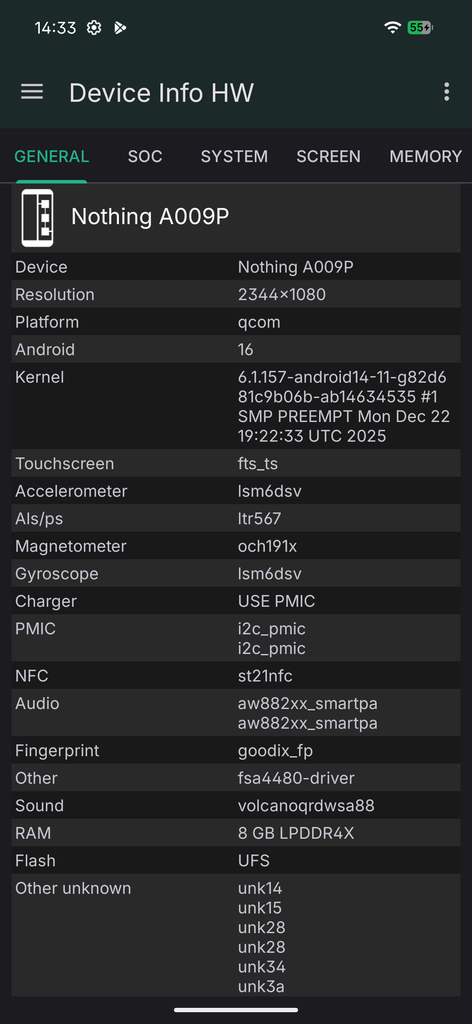
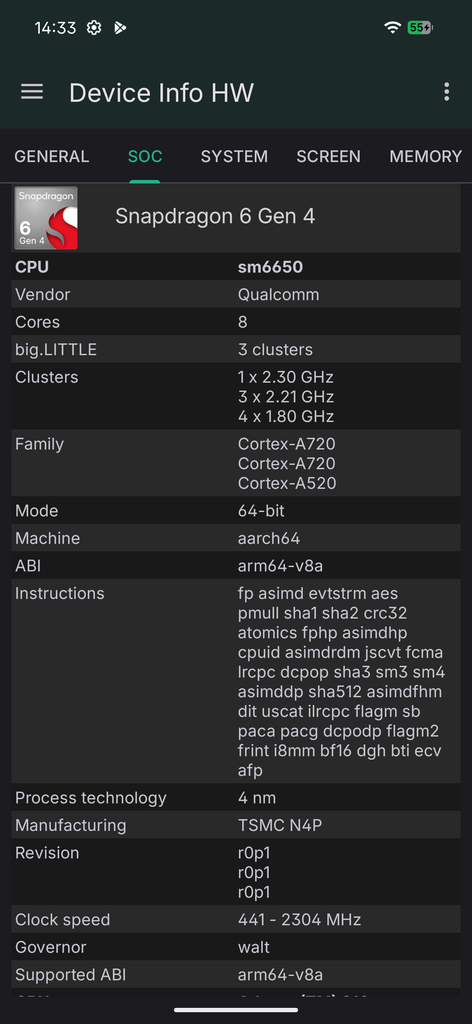
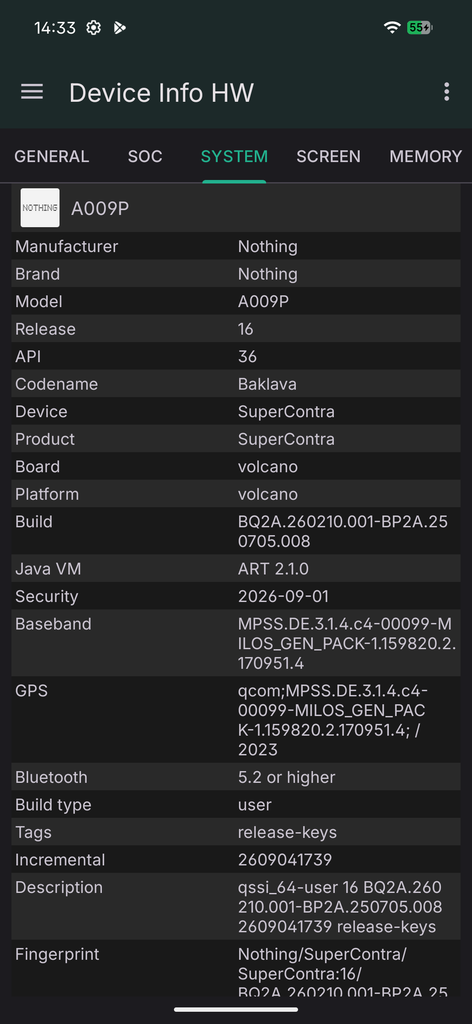
Under the hood, the Nothing Phone (4b) is powered by Qualcomm’s Snapdragon 6 Gen 4 processor paired with 8GB of RAM and up to 256GB of UFS storage with no MicroSD card expansion.
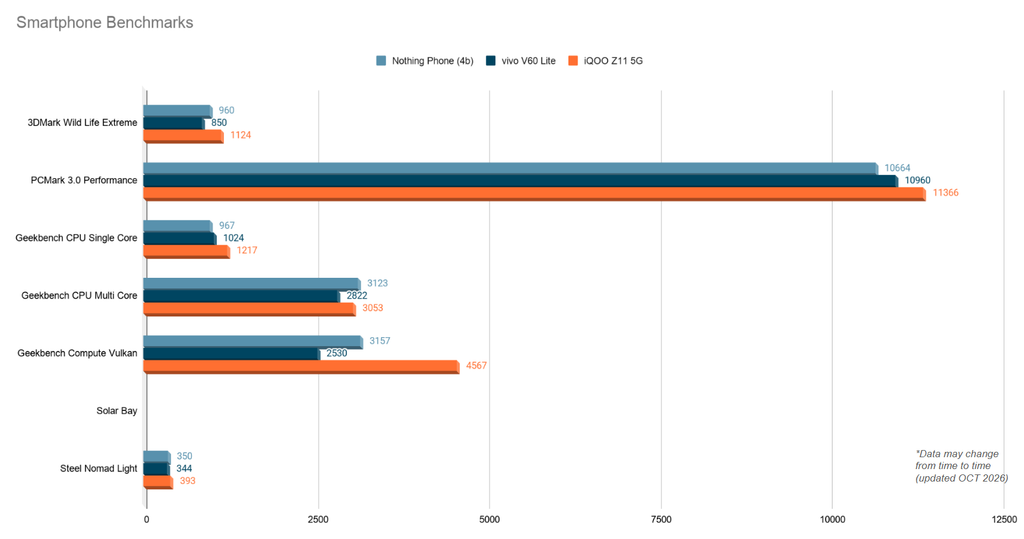
This chipset is not designed to compete with flagship processors, but that is not really the purpose of the Phone (4b). Instead, it is aimed at providing dependable performance for everyday smartphone tasks while maintaining reasonable efficiency. Applications such as WhatsApp, Facebook, Instagram, Chrome, YouTube and Spotify run comfortably. Switching between applications is also reasonably smooth, helped by the 8GB of RAM.
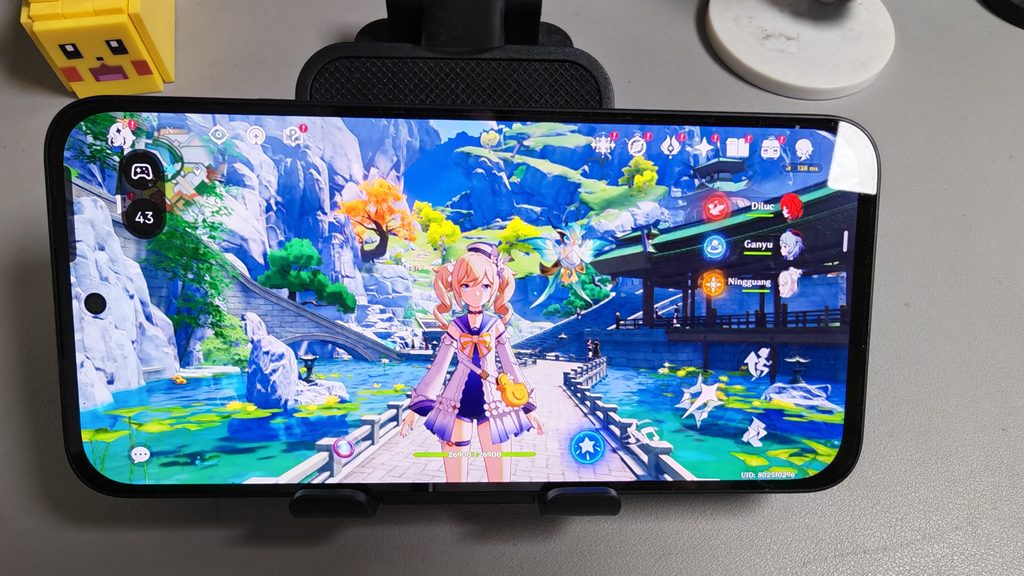
For gaming, the phone is capable of handling popular titles, although demanding games may require users to lower graphical settings to maintain a more consistent frame rate.
Casual and less demanding games are much more comfortable, while heavier titles demonstrate the limitations of the mid-range Snapdragon platform. In other words, the Phone (4b) is better viewed as an all-round everyday smartphone rather than a dedicated gaming device.
For users who regularly install large games, record a lot of 4K video or keep large collections of photos and offline media, 128GB may eventually feel restrictive and should just get the 256GB storage model.
Benchmarks
Camera
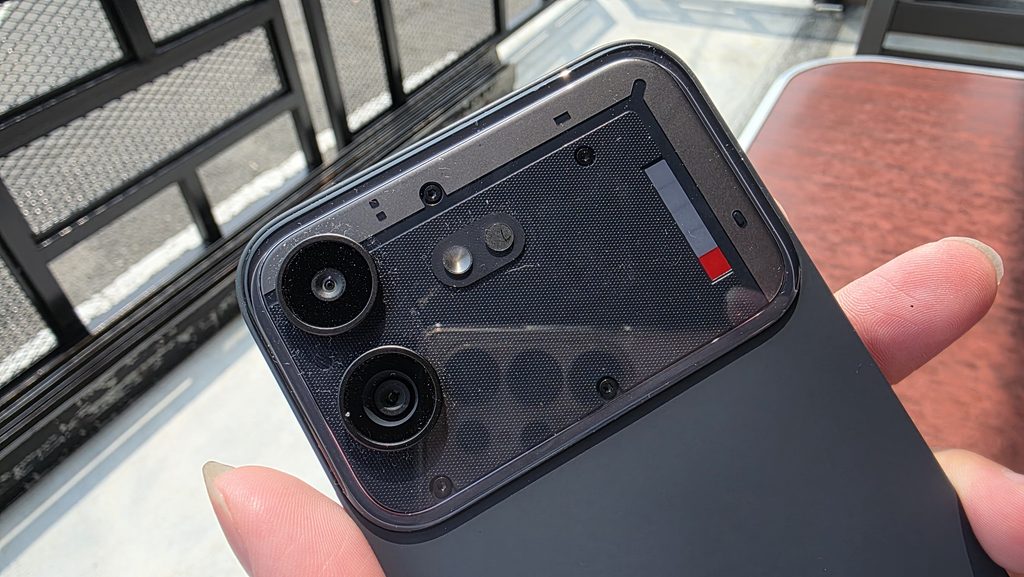
The main sensor is a 50MP camera with optical image stabilisation, while an 8MP ultrawide camera provides a wider field of view. On the front, the phone features a 16MP selfie camera.



The 50MP main camera is clearly the most capable camera on the phone. In good lighting conditions, it produces images with a good level of detail and generally pleasing colours. The presence of OIS is particularly useful when shooting handheld, as it helps reduce the effects of small movements and can improve results in lower-light situations.
For everyday photography, the main camera is more than capable. Whether you are photographing food, people, pets, buildings or scenery, the results are suitable for sharing on social media or keeping as personal memories.
However, the limitations become more obvious as lighting conditions deteriorate. Night shots can lose some fine detail, while noise and softness become more noticeable. This is not particularly surprising given the Phone (4b)’s positioning.
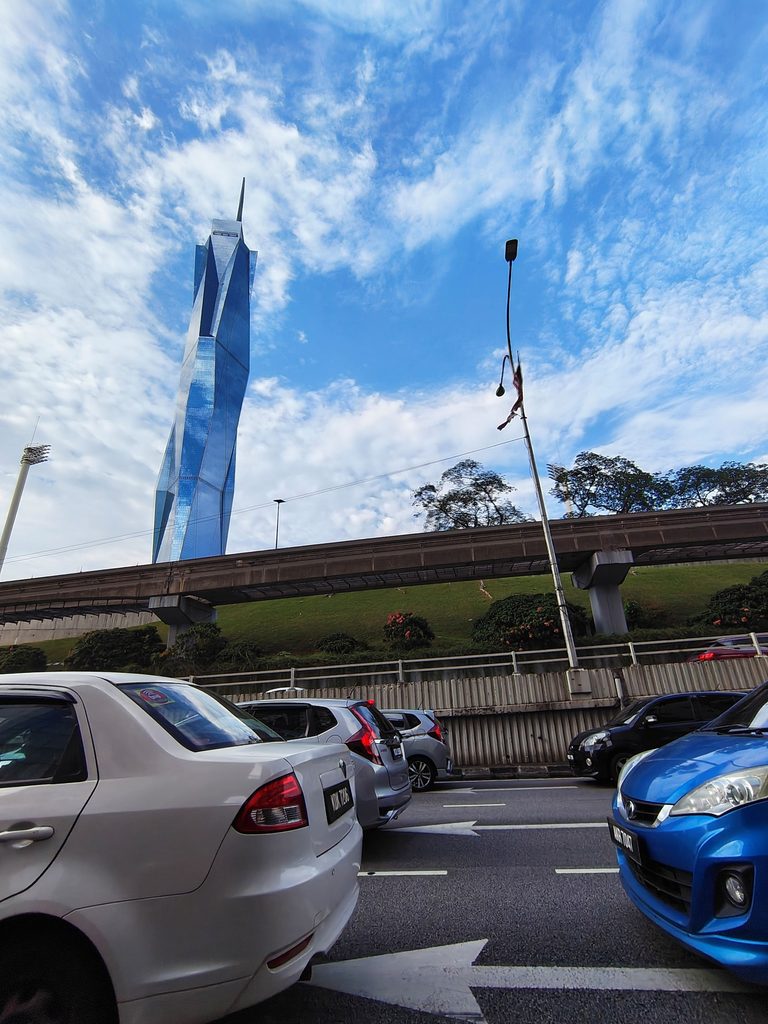


The 8MP ultrawide camera is useful when photographing landscapes, architecture or larger groups where a wider perspective is needed. However, it does not match the main camera in terms of overall detail and image quality.
This means users who frequently rely on ultrawide photography may want to consider a phone with a more capable secondary camera system. For casual users, though, the camera setup covers the basics without becoming unnecessarily complicated.
Battery & Charging
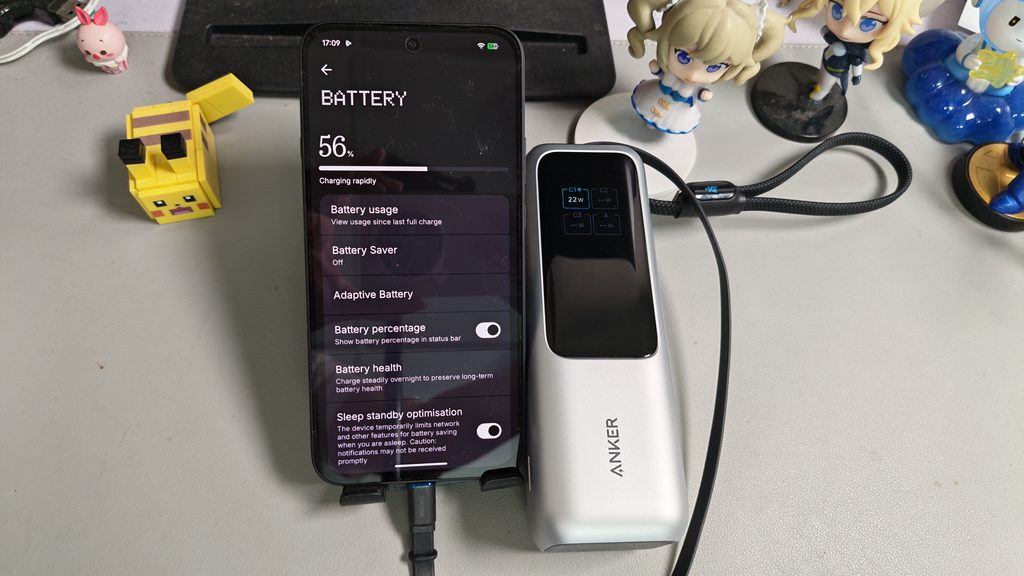
Battery life is another area where the Phone (4b) performs well where the phone comes with a sizeable 5,200mAh battery, giving it plenty of capacity for a full day of typical use.
With activities such as messaging, browsing social media, watching videos, taking photographs and occasional gaming, the phone is capable of delivering solid endurance.
Users with lighter workloads should be able to extend usage even further, potentially reducing the need to charge the phone during the day. Charging is handled through 33W wired charging. While this is adequate, it is not particularly fast when compared with some competing smartphones in the same general price segment.
A full charge takes roughly 86 minutes using the appropriate official charger. The large battery does compensate to some extent for the slower charging speed. Since the phone can last comfortably through a typical day, users may not need to constantly top it up. Wireless charging is not available, which is understandable given the Phone (4b)’s more affordable positioning.
Nothing OS & Software
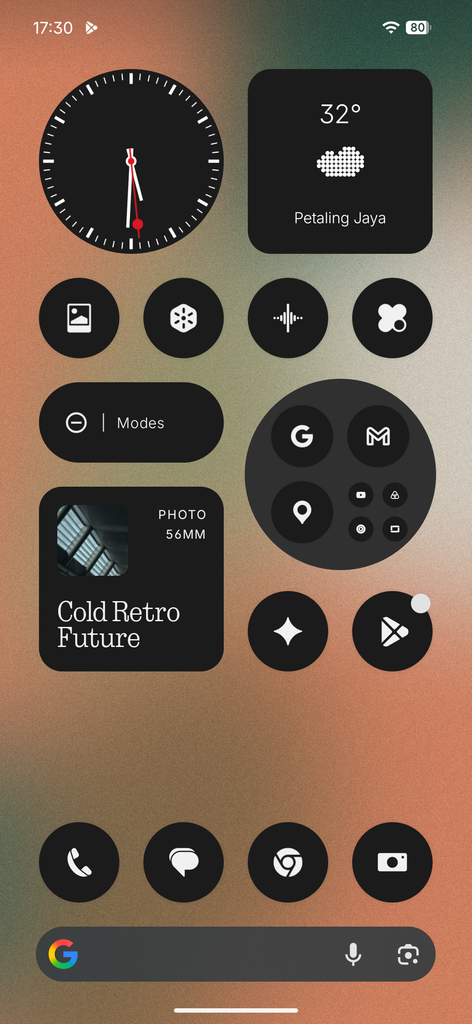
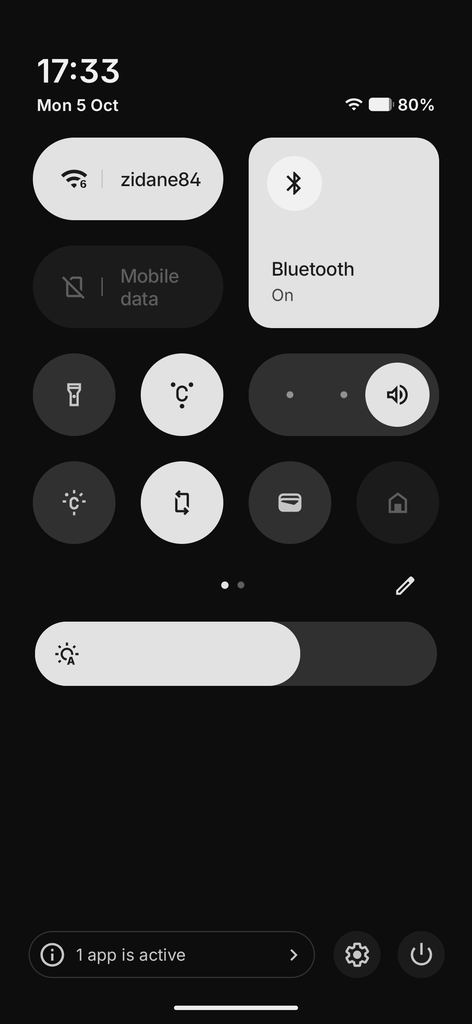
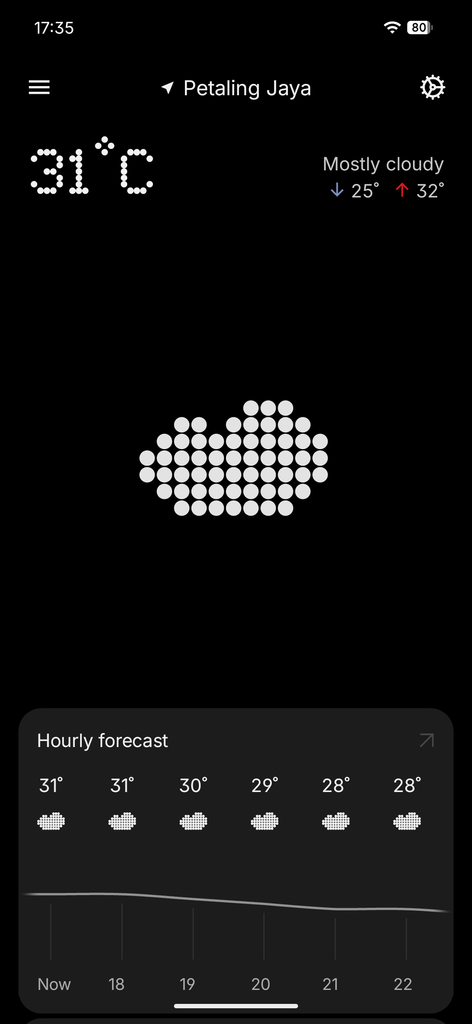
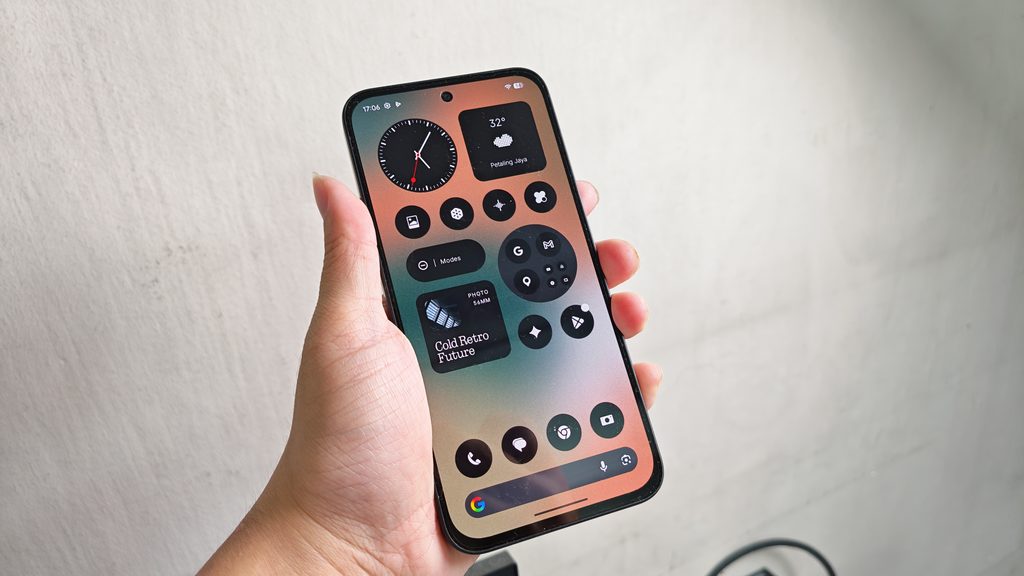
Software is arguably one of the main reasons to consider a Nothing smartphone. The Phone (4b) runs Android 16 with Nothing OS 4.1, giving users a relatively clean Android experience with Nothing’s own visual touches.
Nothing OS avoids many of the unnecessary elements found on some heavily customised Android interfaces. The result is an interface that feels relatively uncluttered and straightforward.
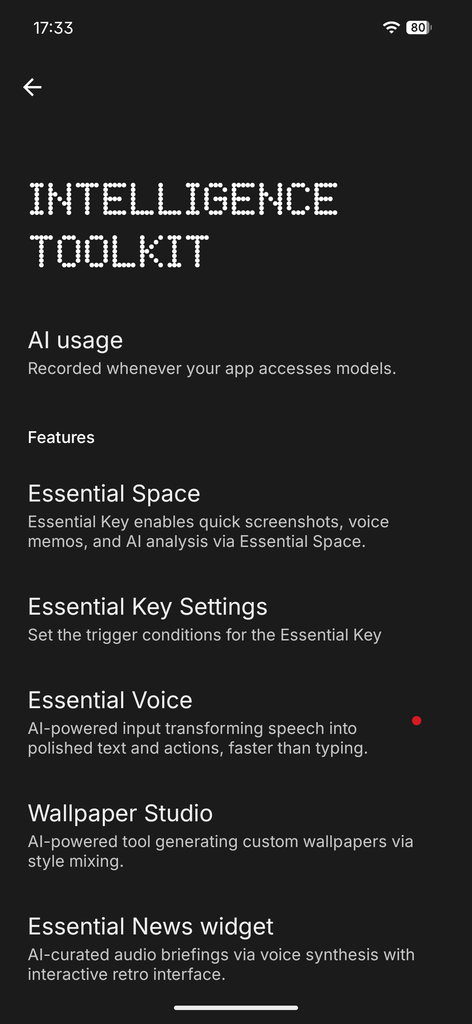
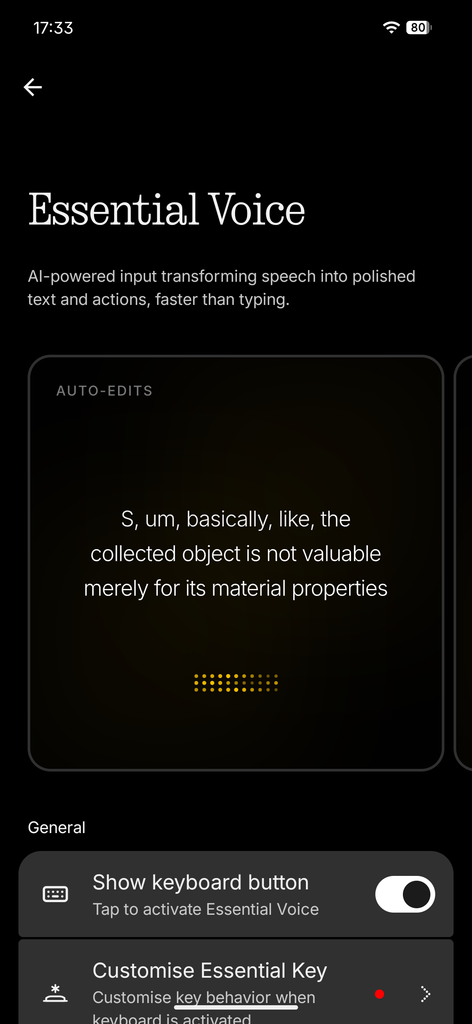
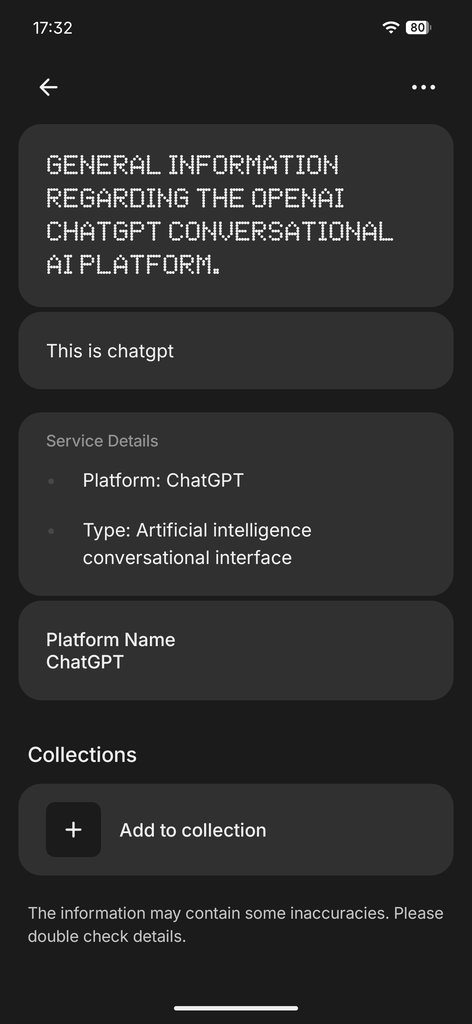
The monochrome-inspired design remains one of the more distinctive Android interfaces available. Icons, widgets and system elements share a consistent visual identity without making the interface difficult to navigate. The Phone (4b) also incorporates Nothing-specific features such as the Essential Key and Essential Space, alongside the Glyph interface.
These features provide additional ways of capturing, organising and interacting with information, although their usefulness will naturally depend on how each individual uses the phone.
Software longevity is another positive. Nothing promises three major Android updates and six years of security updates, giving the device a reasonably long support period for its price category.
Connectivity & Everyday Experience
The Phone (4b) supports modern connectivity features including 5G, Wi-Fi 6, Bluetooth 6.0 and NFC, alongside dual-SIM functionality depending on the market configuration.
An in-display fingerprint sensor provides another convenient way to unlock the device, while USB-C is used for charging and wired connections.
The phone works well as an everyday communication and entertainment device. Calls, messaging, browsing and social media are all handled without major issues, while the combination of 5G and Wi-Fi 6 provides flexibility when connecting to networks.
The USB-C port is limited to USB 2.0 speeds, however, so users who frequently move large files between the phone and a computer should be aware that transfers will not be especially quick.
Who Is This For?
The Nothing Phone (4b) is primarily aimed at users who want something a little different from the usual mid-range Android smartphone.
Its large AMOLED display makes it suitable for people who spend a lot of time watching videos or browsing social media, while the 5,200mAh battery is useful for users who prioritise endurance. The clean Nothing OS interface will also appeal to those who prefer a less cluttered Android experience. It is suitable for students, everyday users and people looking for a stylish smartphone without moving into flagship pricing.
On the other hand, serious mobile gamers may want a more powerful chipset, while photography enthusiasts may prefer a device with a stronger ultrawide and additional camera options.
Pros & Cons
Pros
- Distinctive and recognisable Nothing design
- Large 6.77-inch 120Hz AMOLED display
- Clean and attractive Nothing OS interface
- Snapdragon 6 Gen 4 offers solid everyday performance
- 50MP main camera with OIS
- Large 5,200mAh battery
- Stereo speakers
- IP64 protection
- Long security-support period
Cons
- 128GB storage can be limiting
- No microSD expansion
- Ultrawide camera is relatively basic
- 33W charging is modest
- No wireless charging
- Relatively large and heavy
- Glyph Bar is less elaborate than on higher-end Nothing phones
Verdict & Conclusion
The Nothing Phone (4b) takes a slightly different approach to the mid-range smartphone market. Instead of trying to win purely through specifications, Nothing has concentrated on creating a device with its own identity. The combination of a distinctive design, large 120Hz AMOLED display, clean software and substantial battery makes the Phone (4b) an enjoyable everyday smartphone.
Performance from the Snapdragon 6 Gen 4 is suitable for regular applications and casual gaming, while the 50MP OIS main camera is capable of producing good results in favourable lighting conditions. At RM1,599, the Phone (4b) enters a highly competitive segment. Its appeal therefore comes less from having the highest specification sheet and more from the overall experience it provides.
For users who value design, software simplicity, display quality and battery endurance, the Phone (4b) offers a balanced package. It may not be designed for users chasing benchmark records or professional-level mobile photography, but it succeeds at being a distinctive and practical everyday smartphone.
Ultimately, the Nothing Phone (4b) feels like an attempt to bring the company’s recognisable identity to a wider audience. It retains the visual character and software experience that make Nothing products stand out, while making sensible compromises to reach a more accessible price point.
For anyone looking for a mid-range smartphone that does not look or feel quite like everything else on the market, the Phone (4b) is certainly worth considering.
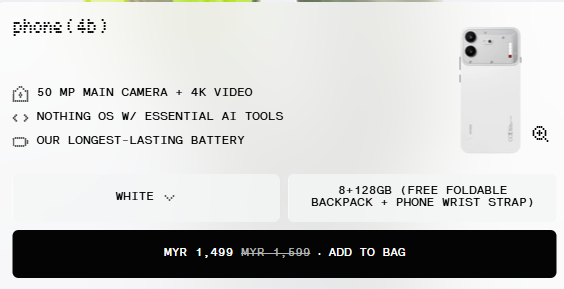
The Phone (4b) will be available at an early bird price of RM1,499, RM100 below its RM1,599 recommended retail price. From 8 September to 20 October 2026, eligible buyers will also receive a limited-edition Nothing Foldable Backpack and Nothing Phone Wrist Strap, while stocks last.
Shopee
Nothing Store


![[Photo 1] Healthier Living_ How AI-Powered Home Appliances Can Support Everyday Wellbeing](https://1side0.net/wp-content/uploads/2026/10/Photo-1-Healthier-Living_-How-AI-Powered-Home-Appliances-Can-Support-Everyday-Wellbeing-300x169.jpg)