

Google Pixel 11 Full Review: A Smarter Pixel Experience
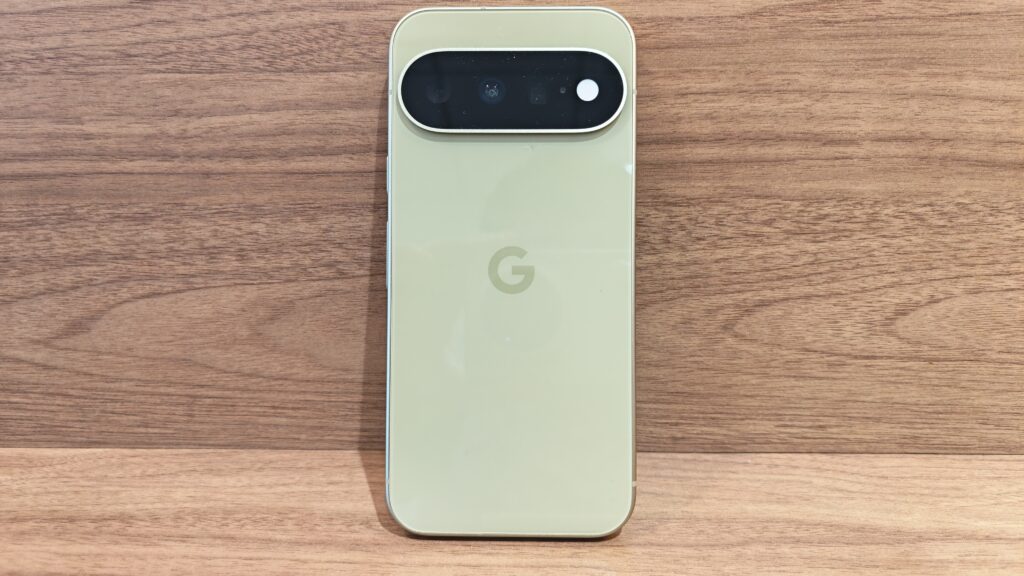
Google’s Pixel series has always stood apart from other Android flagships. While many manufacturers compete with larger batteries, extremely fast charging, higher megapixel counts and increasingly powerful processors, Google has taken a different route. Its Pixel phones are built around the combination of Google’s software, computational photography and artificial intelligence.
The new Google Pixel 11 continues that strategy while bringing several important upgrades to the hardware. It features a refined design, a bright 6.3-inch OLED display with a 120Hz refresh rate, Google’s new Tensor G6 processor, 12GB of RAM, an upgraded camera system and a larger battery.
However, the biggest story isn’t necessarily any single specification. Google has increasingly focused on making the Pixel feel like an intelligent assistant that can help with photography, searching, editing and everyday tasks. With Gemini Intelligence integrated into the experience, alongside features such as Circle to Search and Magic Capture, the Pixel 11 is clearly designed around Google’s vision of an AI-powered smartphone.
After a week with the device, the Pixel 11 feels less like a radical redesign and more like Google taking an already familiar formula and polishing the areas that matter most.
Unboxing
Design
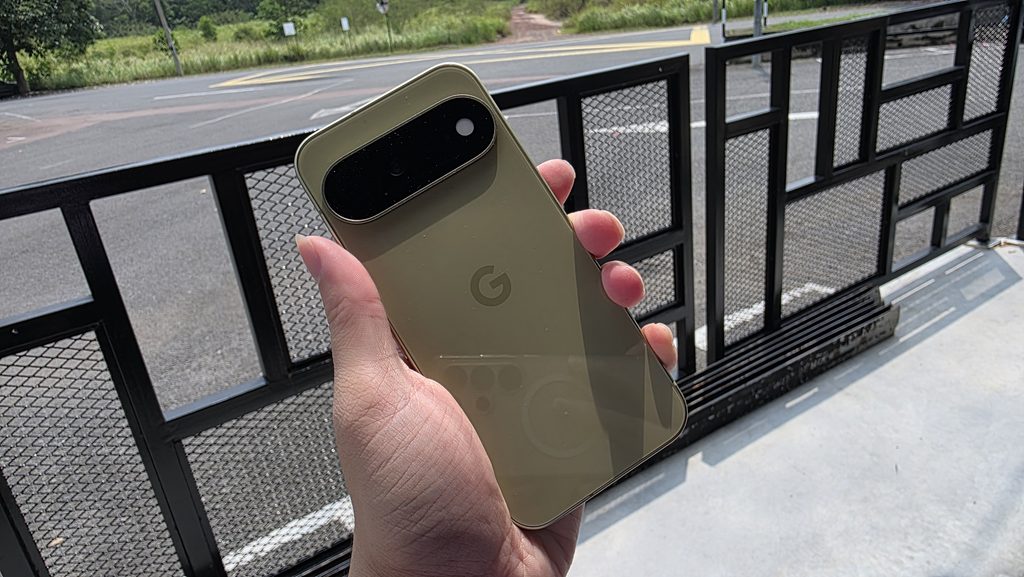
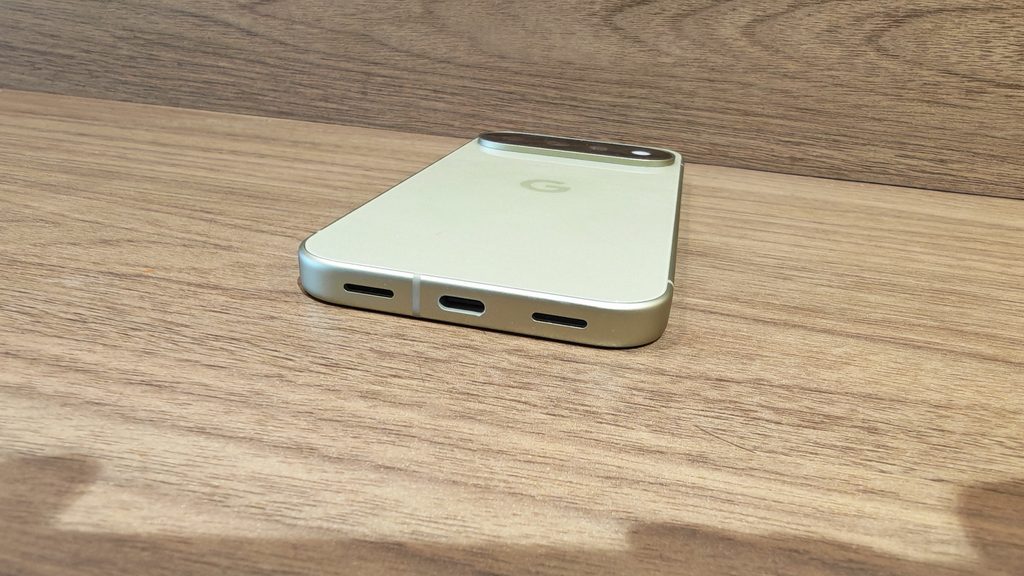
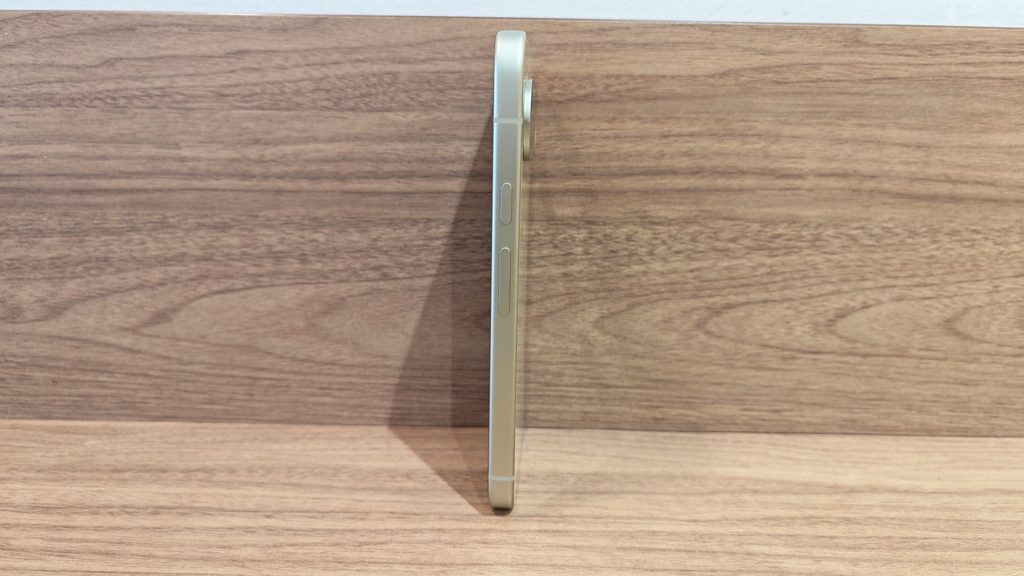
The Pixel 11 retains the distinctive design language that has become associated with Google’s smartphones. Recognisable feature remains the camera bar across the rear. For this generation, Google has refined the camera housing and made it slimmer, giving the back of the phone a cleaner appearance while maintaining the characteristic Pixel look.
It measures at 152.8 x 72 x 8.6mm and weighs 197g. Combined with the 6.3-inch display, this gives the Pixel 11 a relatively manageable size compared with some of the increasingly large flagship smartphones on the market. The front uses Gorilla Glass Victus 2, adding a layer of protection while maintaining the premium appearance expected from a flagship device.
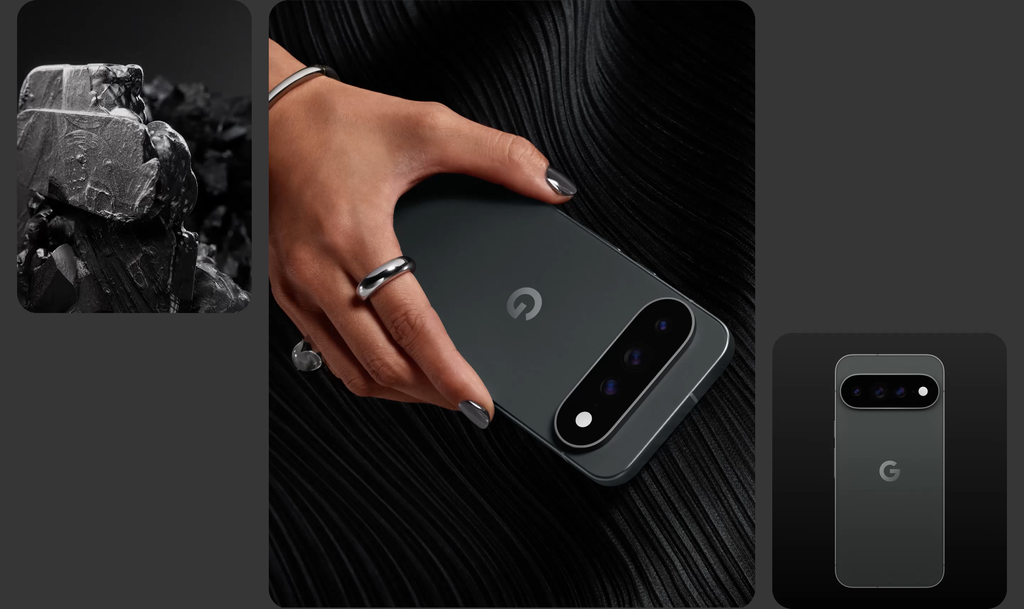
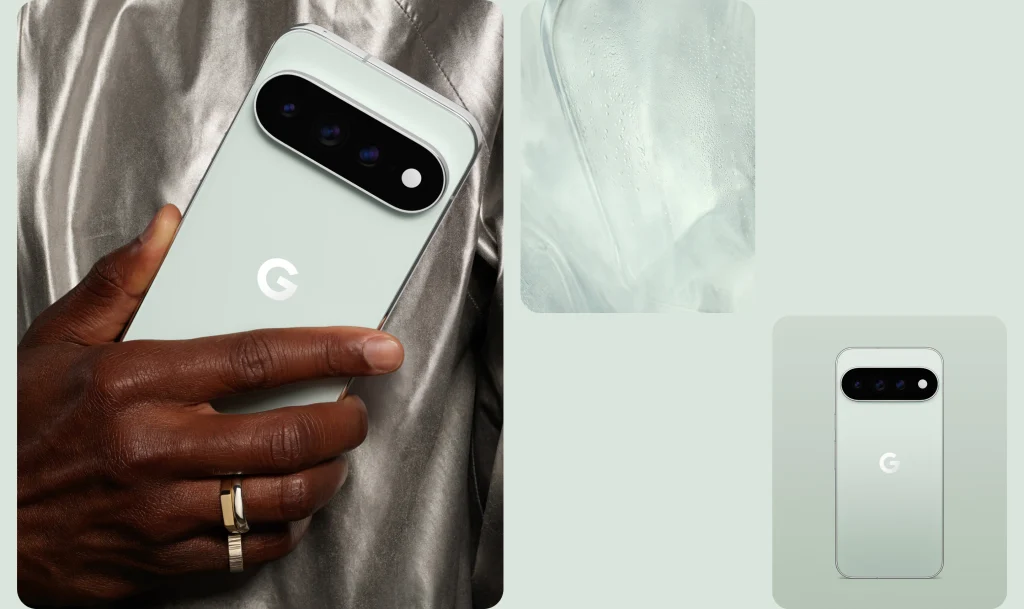
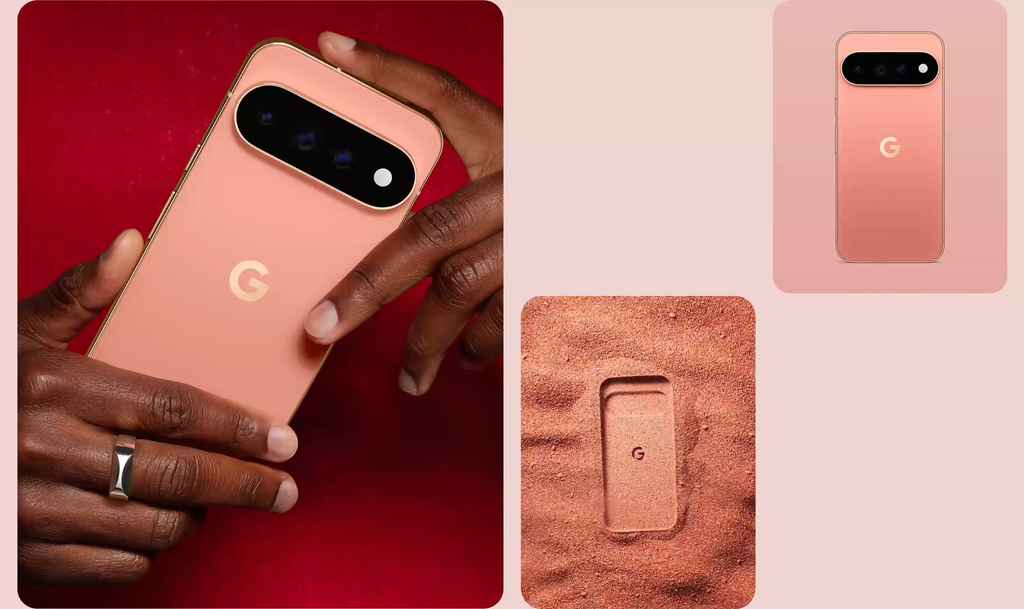
Google offers several finishes, including Frost, Pistachio, Hibiscus and Obsidian. The colours give the Pixel 11 a choice of understated and more distinctive looks.
What I like about the design is that Google hasn’t tried to reinvent the Pixel unnecessarily. The phone is immediately recognisable, but the details have been refined to make it feel more polished with it’s 6.3-inch form factor is also a good compromise. It provides enough space for watching videos, browsing and gaming while remaining comfortable enough for everyday handling.
Overall, the Pixel 11 feels premium without becoming overly bulky, and its design remains one of the easiest ways to distinguish it from other Android flagships.
Display & Audio
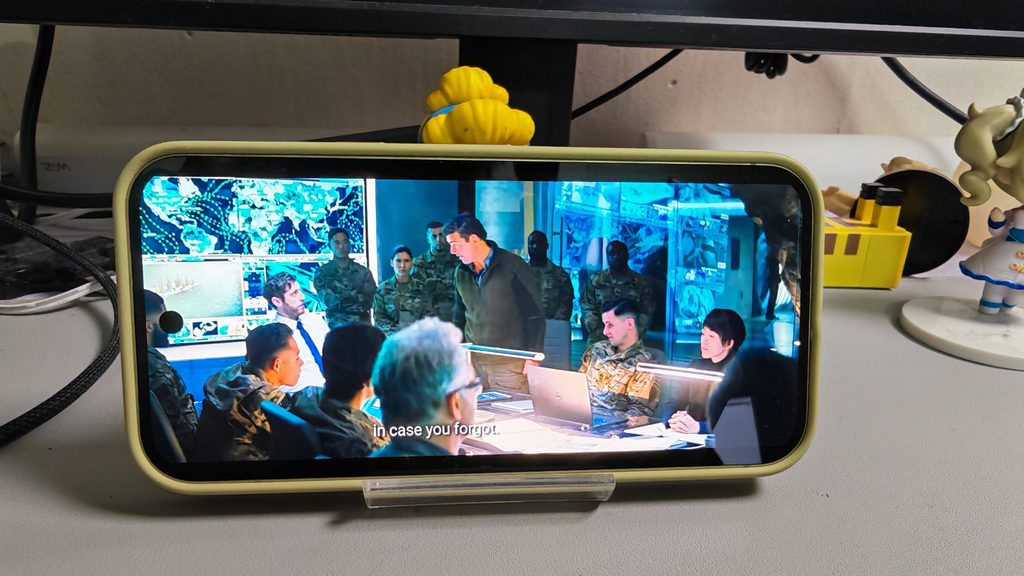
The Pixel 11 features a 6.3-inch Actua OLED display with a 1080 x 2424 resolution which supports an adaptive refresh rate of up to 120Hz, allowing animations, scrolling and transitions to look significantly smoother than they would on a conventional 60Hz display.
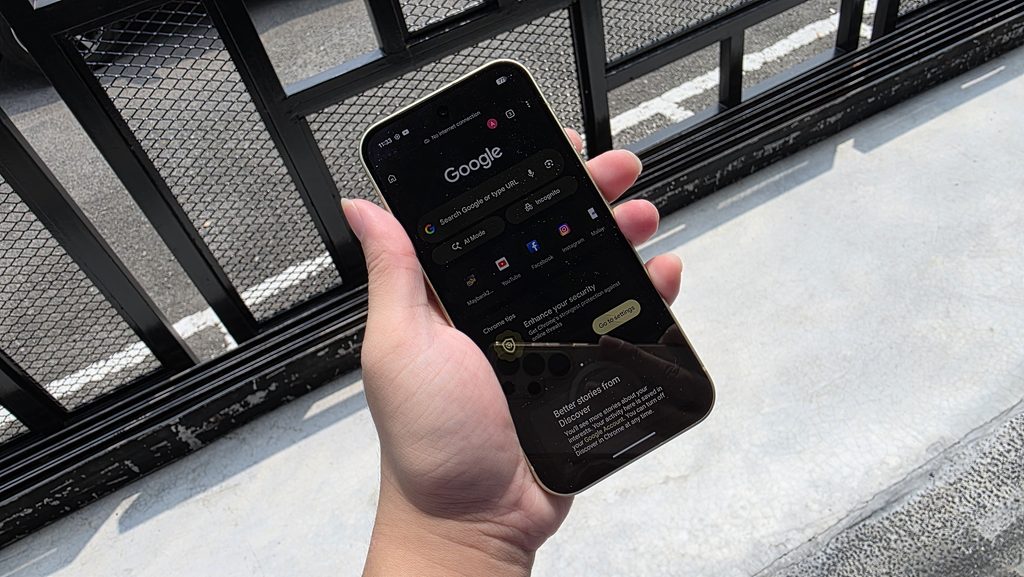
Whether scrolling through social media, browsing websites or navigating menus, the higher refresh rate makes the phone feel more responsive. Google has also placed considerable emphasis on outdoor visibility. The Pixel 11 can reach up to 3,000 nits of peak brightness, while HDR content can reach up to 2,000 nits with an OLED panel that also delivers the characteristics expected from a premium display, including deep blacks, strong contrast and vibrant colours.
This is particularly useful for users who frequently use their smartphones outdoors. In a bright environment, being able to push the display to a higher brightness level makes reading messages, framing photographs and navigating applications much easier.
The stereo speakers are suitable for watching videos, listening to podcasts and playing games without headphones. For music listening, however, dedicated wireless earbuds or headphones will still provide a more immersive experience.
Performance
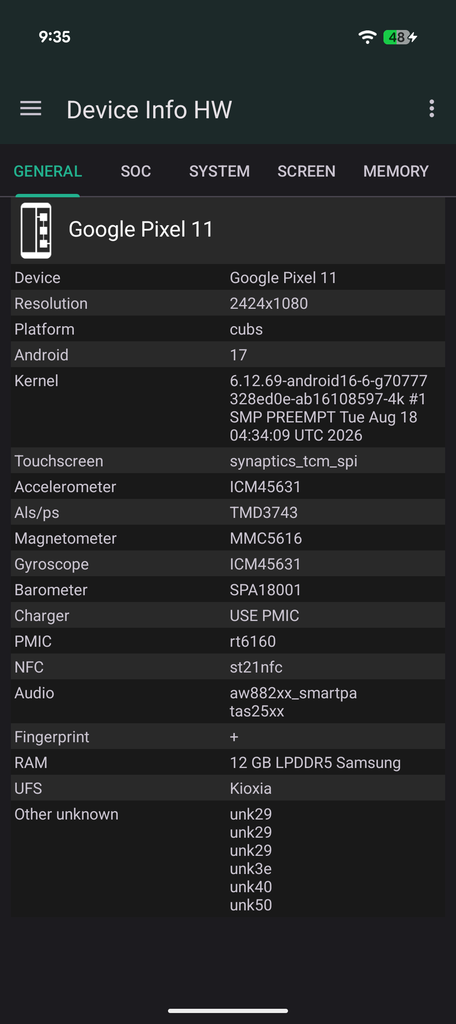
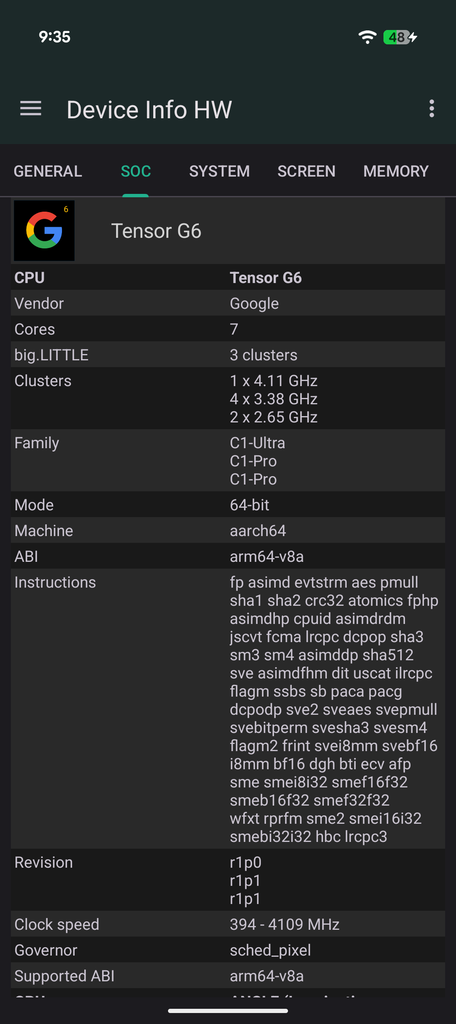
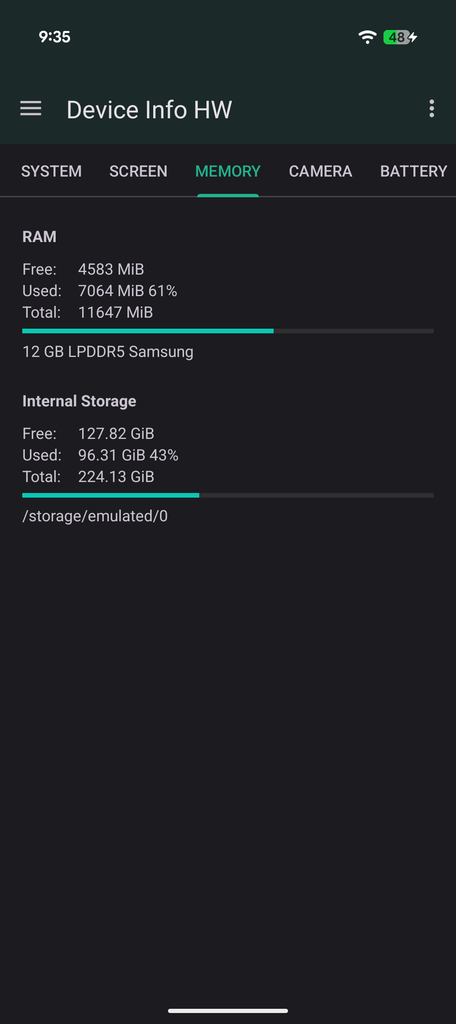
Powering the Pixel 11 is Google’s new Tensor G6 processor, accompanied by 12GB of RAM and storage options reaching up to 512GB.
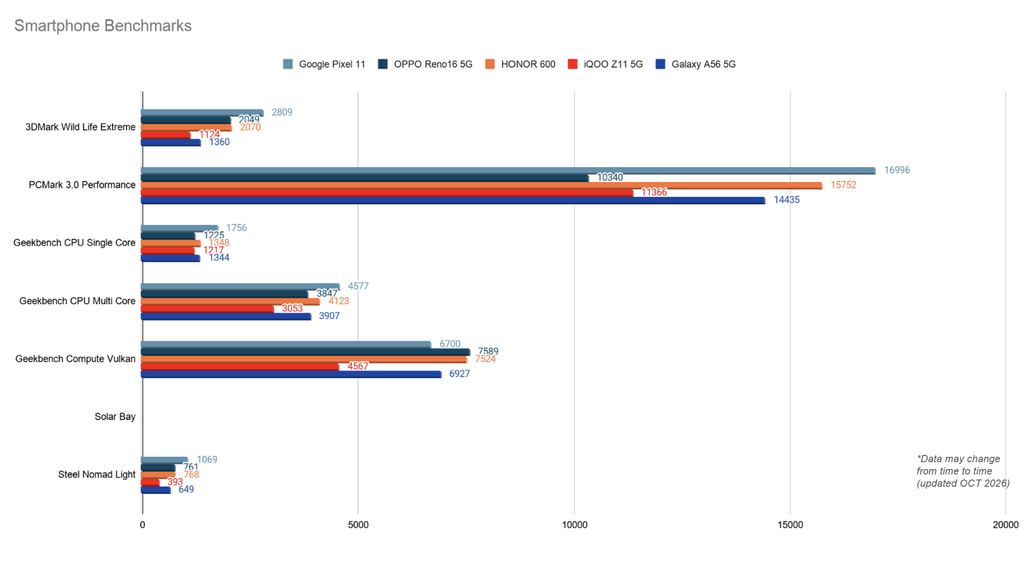
Google’s approach to performance is somewhat different from manufacturers that focus heavily on benchmark results. Tensor is designed specifically around Google’s software, machine learning and AI workloads.
For normal everyday use, the Pixel 11 has more than enough performance. Applications open quickly, switching between apps is smooth and multitasking doesn’t feel like a problem. Everyday activities such as browsing, messaging, streaming video, editing photographs and using social media are handled comfortably.
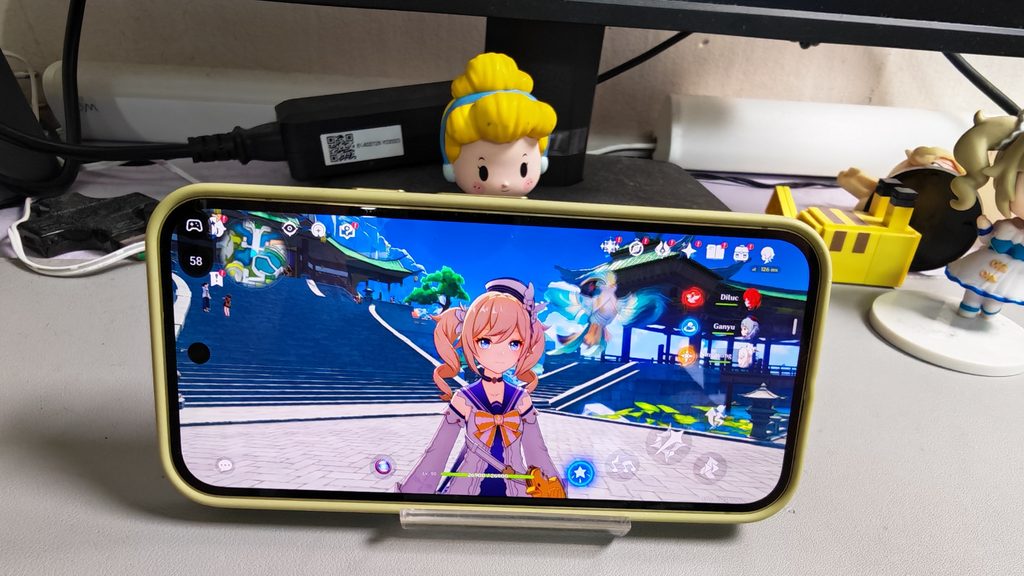
Gaming is also possible, and most mainstream titles should run well. However, the Pixel 11 isn’t specifically designed as a gaming phone. Users who spend several hours playing demanding games may prefer a device with a larger cooling system, dedicated gaming controls and hardware designed for sustained peak performance. But for most people, however, the Tensor G6 provides plenty of power and headroom for just about anything.
The more interesting part is what Google can do with the processor’s AI capabilities. Tensor G6 is designed to handle Google’s increasingly sophisticated AI functions, allowing features to work more quickly and naturally.
This means the performance of the Pixel 11 is not simply about how quickly it can open an application. A large part of its value comes from the additional things the processor can do behind the scenes.
Benchmarks
Camera
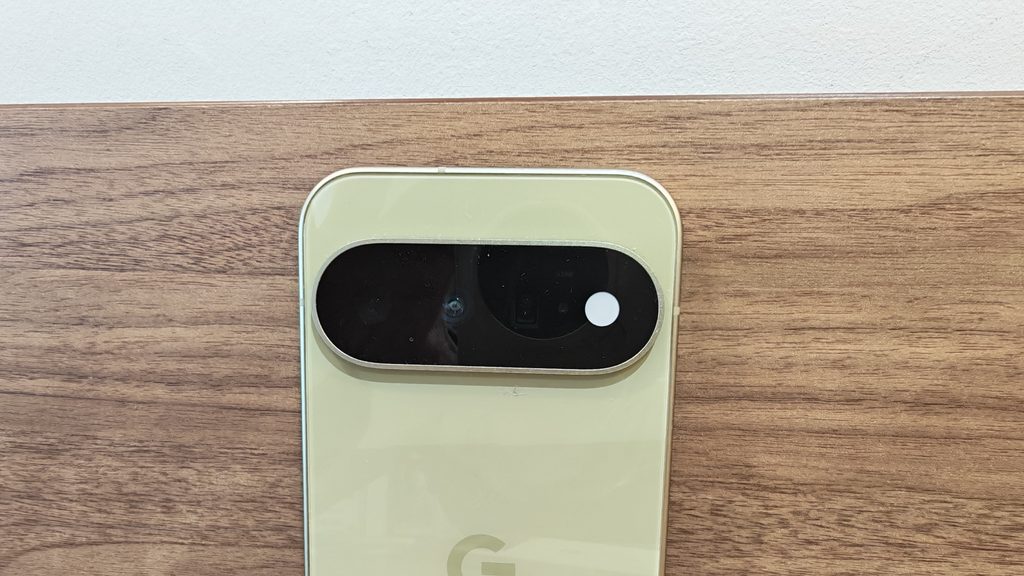
The Pixel 11 features a triple-camera setup consisting of a 48MP primary camera, 13MP ultrawide camera and 10.8MP telephoto camera. On the front is a 10.5MP autofocus camera for selfies and video calls.
Looking at the specifications alone, the Pixel 11 may not appear dramatically different from competing smartphones. However, Google’s strength has traditionally been the processing that happens after the photograph is taken.


The primary camera benefits from improved light sensitivity, which should help the phone capture cleaner and brighter photographs in darker conditions.


In daylight, the camera produces the type of image that Pixel users have come to expect, with detailed subjects, strong dynamic range and Google’s characteristic computational processing.


Night photography is another area where Google’s software plays an important role. Night Sight can brighten darker scenes while attempting to preserve detail and minimise excessive noise.
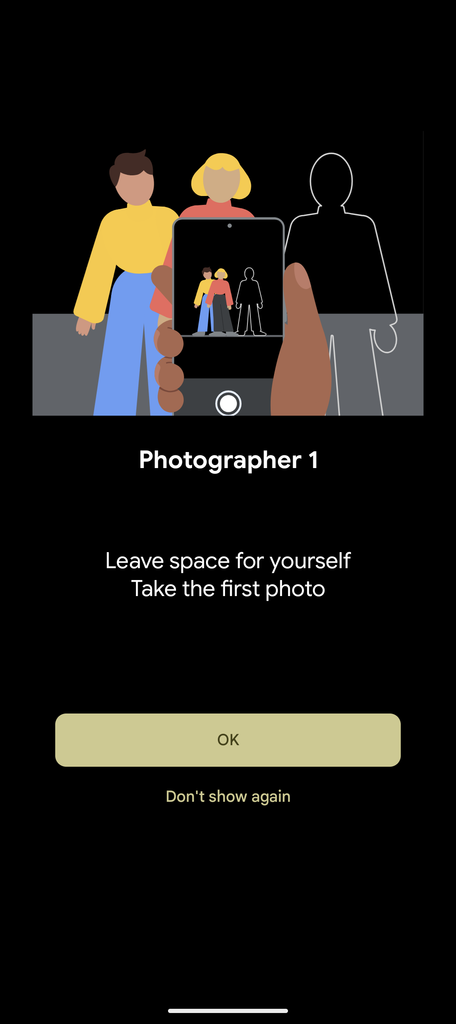
Google also continues to add practical AI features to its camera experience. One example is Add Me, which can help when taking group photographs. The photographer can capture the group, switch places with another person and then use AI to combine the images so that everyone can appear in the final shot.
It is a small but clever example of how Google’s AI features can solve a genuine everyday problem.


The telephoto camera also gives the Pixel 11 additional flexibility, with Google’s 30x Super Zoom extending the usable range considerably. While extreme zoom levels naturally depend on lighting and the subject, the computational processing helps maintain more detail than a simple digital crop.
For content creators, the camera system is also useful for video production. Google’s software tools make it easier to capture and prepare photographs and videos for social media without having to rely entirely on third-party applications. The result is a camera system that focuses less on impressive numbers and more on producing consistently useful results.
Software & AI
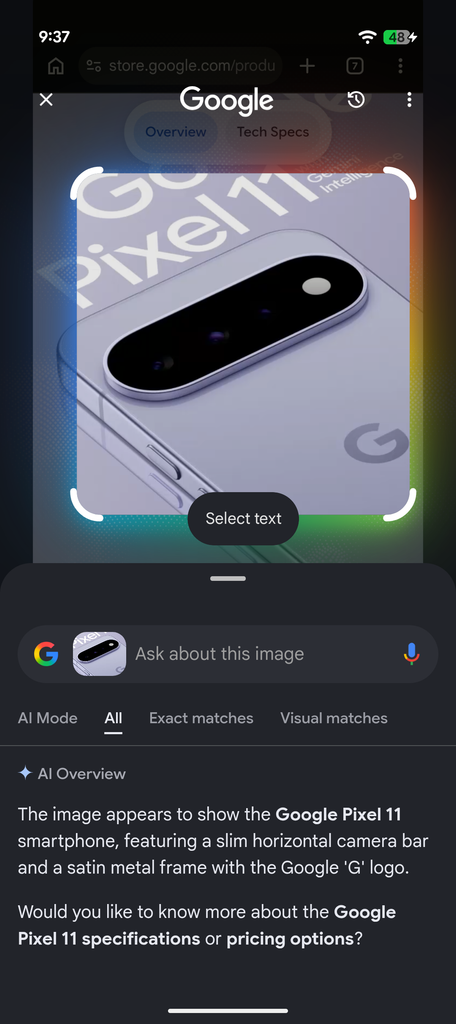
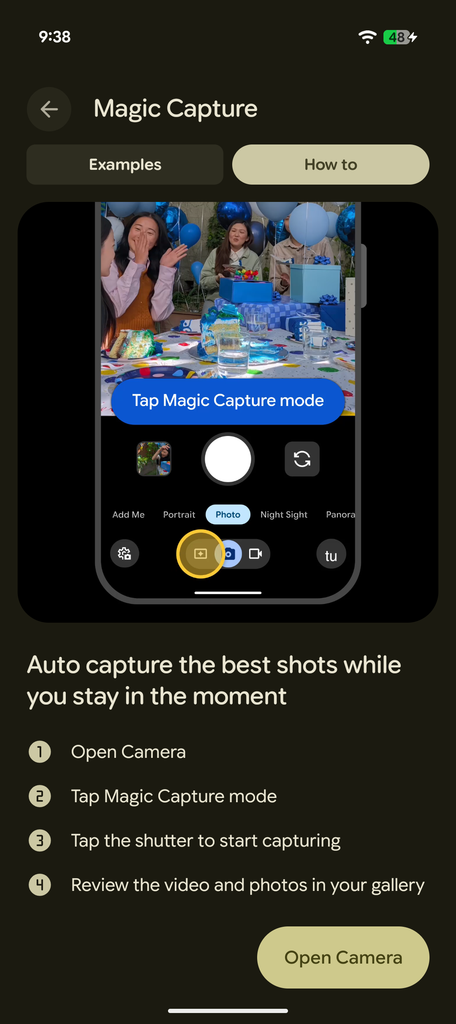
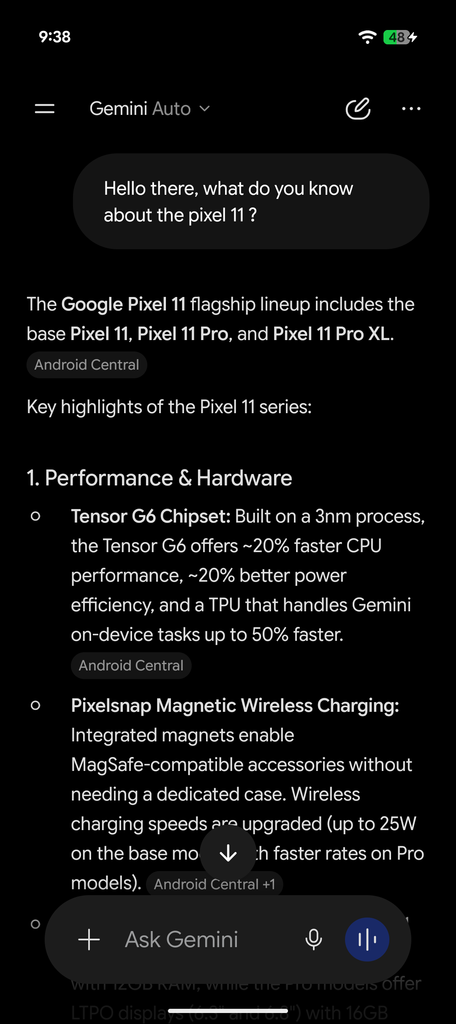
The Pixel 11 delivers Google’s Android experience with a strong emphasis on AI, particularly through Gemini Intelligence. Rather than keeping AI inside a separate application, Google is integrating it more deeply into the phone. Gemini can help with searching, information gathering and certain tasks across the device.
Another familiar feature is Circle to Search. Instead of manually copying text or switching between applications, users can circle an object, image or piece of information on their screen and search for it directly. This makes the feature particularly useful when browsing social media or watching videos and coming across something unfamiliar.
Google’s new Magic Capture is another interesting addition. The feature is designed to simplify the process of turning captured photographs and video clips into shareable content. It can automatically organise and edit material, potentially reducing the amount of time required to prepare something for social media. For casual users, this can make content creation easier. For people who regularly produce short-form videos, the ability to automate some of the editing process could be even more useful.
Long-term software support is another major advantage. Google promises seven years of operating system and security updates, making the Pixel 11 a device that can realistically be kept for many years.
The phone also incorporates Google’s Titan M3 security hardware, adding another layer of protection to the device. For users who don’t upgrade their phones every one or two years, this extended support is a particularly valuable part of the Pixel 11 experience.
Battery & Charging
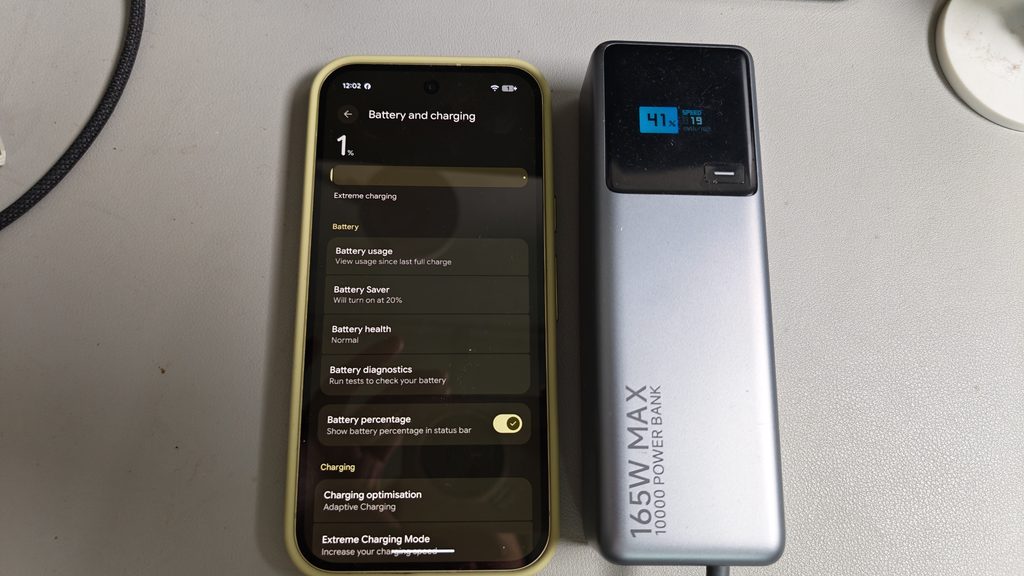
The Pixel 11 packs a 4,985mAh battery, giving it enough capacity to handle a typical day of smartphone use. Actual battery life will naturally vary depending on screen brightness, mobile connectivity, camera usage, gaming and other factors. Still, the combination of the battery capacity and Google’s software optimisation should provide enough endurance for most users to get through a full day.
Charging is somewhat more conservative by using a compatible 30W USB-C PPS charger, Google says the Pixel 11 can reach approximately 55% battery capacity in around 30 minutes.
That isn’t particularly aggressive when compared with some competing Android flagships, many of which now offer considerably faster wired charging.

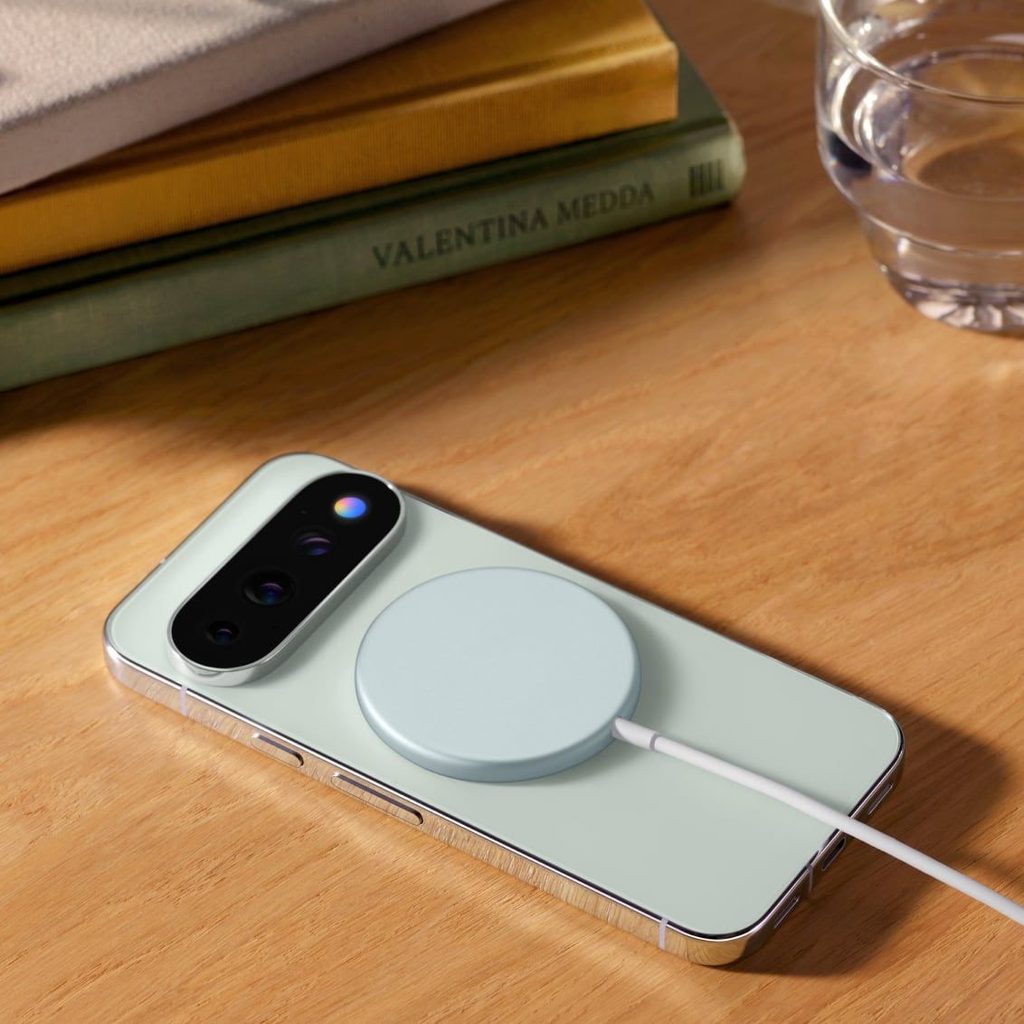
Google does, however, make a significant improvement to wireless charging. The Pixel 11 supports Pixelsnap and Qi2.2 wireless charging, with speeds of up to 25W. The magnetic connection also makes it easier to align the phone with compatible charging accessories. For people who prefer wireless charging at their desk or beside the bed, this is a useful addition.
Who Is the Pixel 11 For?
The Pixel 11 is designed for users who care about the complete smartphone experience rather than focusing on one specification.
It is particularly suitable for users who:
- Want a compact flagship smartphone
- Prioritise camera quality
- Prefer Google’s Android experience
- Make frequent use of AI features
- Create photographs and short-form videos
- Want long-term software support
- Use Google services extensively
- Prefer wireless charging
The phone should also appeal to users who don’t want to carry one of the increasingly large flagship devices.
On the other hand, heavy mobile gamers and users who place a high priority on extremely fast wired charging may want to consider alternatives that focus more heavily on those areas.
Verdict & Conclusion
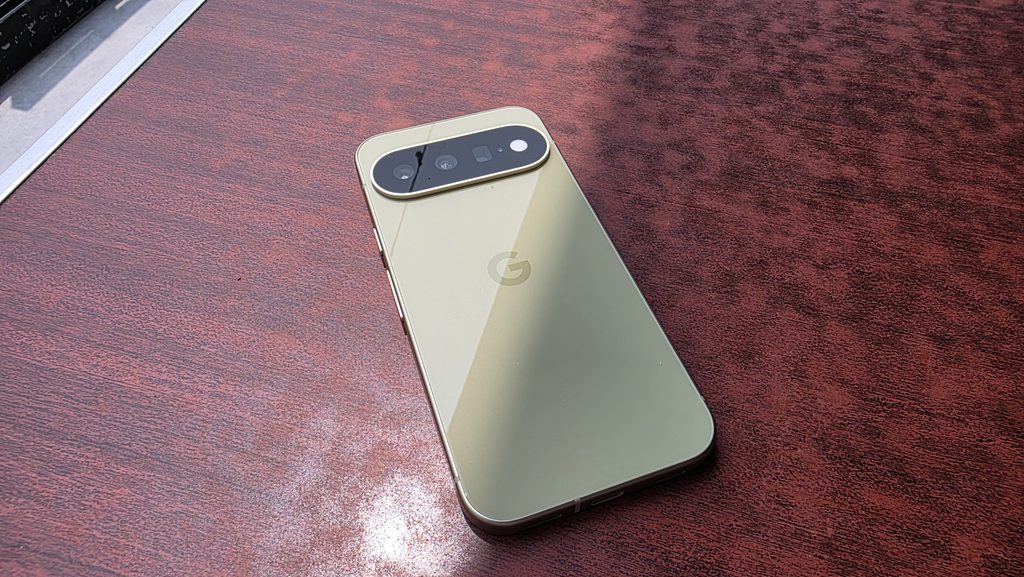
The Google Pixel 11 is a refined version of Google’s established flagship formula. Rather than attempting to compete in every specification category, Google has concentrated on the areas where the Pixel range has traditionally been strongest: photography, software, AI and long-term support.
The 6.3-inch OLED display is bright and smooth, while the 120Hz refresh rate makes everyday interaction feel fluid. Tensor G6 provides plenty of performance for normal tasks while also powering the AI features that are becoming increasingly important to the Pixel experience.
Photography remains another major highlight. The triple-camera setup, combined with Google’s computational photography, gives the Pixel 11 plenty of flexibility for everyday shooting. Features such as Night Sight, Add Me and Super Zoom further expand what the camera can do.
Software experience is perhaps the most important part of the phone. Gemini Intelligence, Circle to Search and Magic Capture demonstrate Google’s broader direction for smartphones, where AI is intended to become part of everyday interaction rather than simply another feature on a specification sheet.
Battery life is respectable, while Pixelsnap brings more convenient wireless charging. Wired charging remains relatively modest compared with some competitors, but this is consistent with Google’s more conservative approach.
Overall, the Pixel 11 is less about winning a specification race and more about delivering a cohesive experience. For users who want a compact flagship with strong cameras, clean software, useful AI tools, wireless charging and long-term updates, the Pixel 11 offers a well-rounded package. Its biggest strength is the way Google’s hardware and software work together, making the phone feel more intelligent and useful in everyday situations.



![[Photo] Samsung Introduces ‘SmartThings Now’ in New Platform Update That Brings More I](https://1side0.net/wp-content/uploads/2026/10/Photo-Samsung-Introduces-‘SmartThings-Now-in-New-Platform-Update-That-Brings-More-I-300x180.png)